
 EN


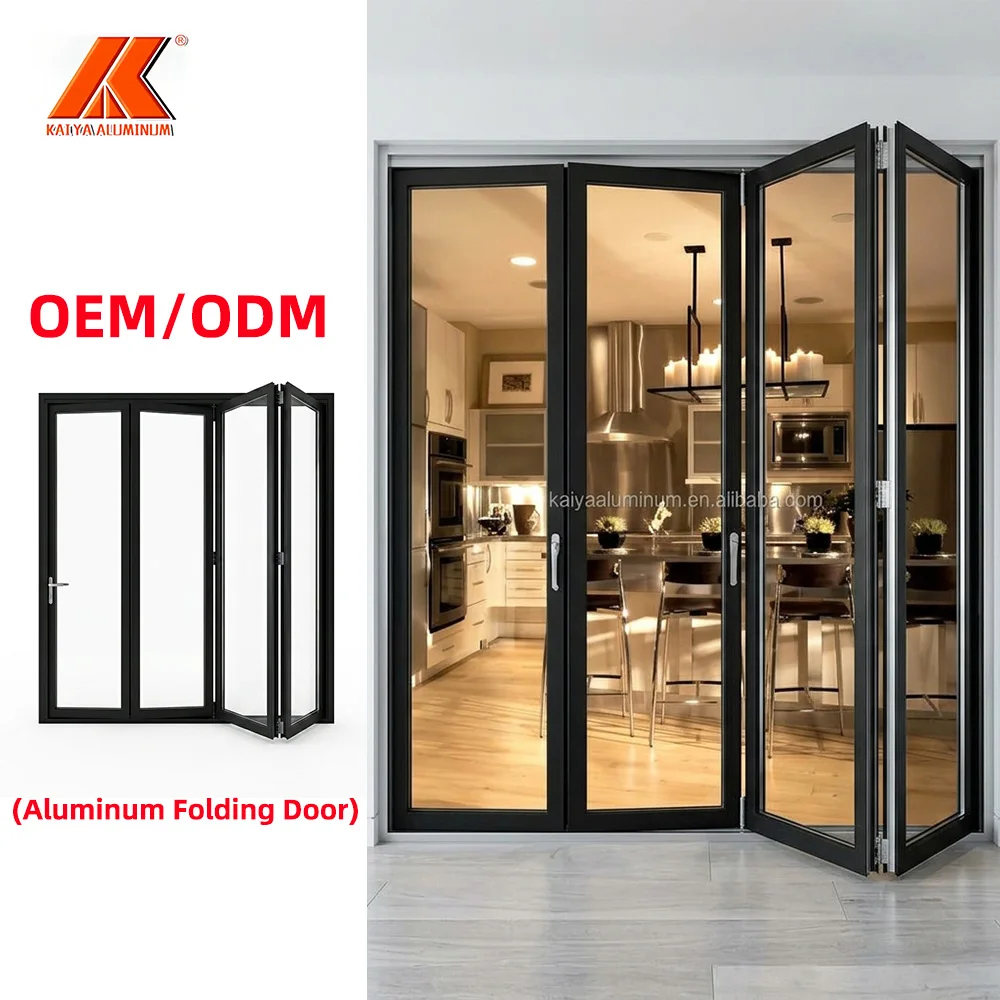
The choice of materials in industrial manufacturing directly impacts product quality, durability, and market competitiveness. Across industries ranging from construction to automotive, global manufacturers consistently select aluminum door profiles as their preferred material solution. This preference is not arbitrary; it reflects decades of proven performance, engineering excellence, and reliability. Understanding why aluminum door profiles have earned this trust requires examining the technical foundations, manufacturing precision, and real-world performance that distinguish them from alternative materials.
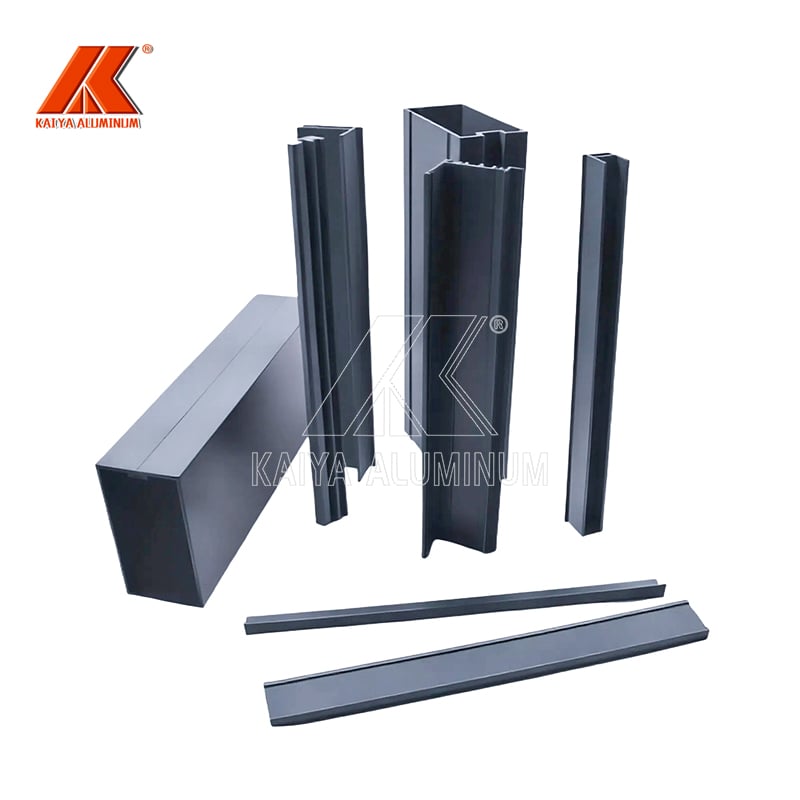
Manufacturers worldwide depend on aluminum door profiles for applications requiring structural integrity, aesthetic consistency, and long-term performance. The aluminum door market continues to expand as architects, builders, and systems integrators recognize the material's advantages over traditional alternatives. Whether for commercial facades, residential entry systems, or specialized industrial applications, aluminum door solutions deliver measurable value across cost, sustainability, and functionality dimensions.
Engineering Excellence and Precision Manufacturing
Advanced Extrusion Technology
Modern aluminum door profiles are manufactured using sophisticated extrusion processes that enable precise cross-sectional shaping and dimensional consistency. High-precision extrusion technology allows manufacturers to create complex geometries while maintaining tight tolerances essential for seamless assembly and installation. The aluminum door extrusion process produces profiles with superior surface finish and structural uniformity compared to traditional machining methods. This precision engineering directly translates into reduced installation time, fewer field adjustments, and lower overall project costs for end-users.
The ability to customize aluminum door profile shapes represents a significant competitive advantage for manufacturers serving diverse market segments. Extrusion technology accommodates design variations without requiring expensive tooling changes between production runs. Custom aluminum door configurations can incorporate integrated drainage channels, thermal breaks, and mounting provisions that simplify downstream assembly operations. This flexibility enables rapid prototyping and accelerated time-to-market for innovative door system designs.
Rigorous Quality Control Standards
Global manufacturers trust aluminum door profiles because production facilities implement comprehensive quality assurance protocols at every manufacturing stage. Material composition testing ensures aluminum alloys meet international specifications and performance requirements. Dimensional verification using automated measurement systems confirms that each aluminum door profile segment falls within acceptable tolerance ranges. Surface inspection processes identify surface defects, corrosion resistance compliance, and finish quality before profiles leave the manufacturing facility.
Documentation and traceability systems provide aluminum door buyers with complete production records and material certifications. This transparency builds confidence in product consistency and regulatory compliance across international markets. Manufacturers who supply aluminum door profiles to global customers maintain ISO certifications and third-party auditing that validate manufacturing standards. These commitments to quality control minimize field failures and warranty claims while protecting brand reputation and customer relationships.
Material Properties and Performance Advantages
Corrosion Resistance and Durability
Aluminum door profiles exhibit natural corrosion resistance through oxide layer formation on the material surface. This inherent protection mechanism makes aluminum door systems suitable for demanding environments including coastal regions, industrial areas, and buildings exposed to harsh weather conditions. Unlike steel door frames that require continuous maintenance to prevent rust, aluminum door profiles maintain structural integrity and aesthetic appeal with minimal upkeep over decades of service.
Advanced anodizing and powder coating processes further enhance the protective properties of aluminum door profiles against environmental degradation. These surface treatments create additional barriers against moisture infiltration, UV radiation, and chemical exposure. Manufacturers offering aluminum door products with premium finishes provide extended warranties reflecting confidence in long-term performance. Building owners appreciate the reduced maintenance burden and lower lifecycle costs associated with properly finished aluminum door installations.
Lightweight Yet Strong Construction
The aluminum door material offers an exceptional strength-to-weight ratio that distinguishes it from heavier alternatives like steel or timber. This combination allows aluminum door profiles to span longer distances while supporting significant loads without excessive deflection or sagging. Architects and engineers value the ability to specify aluminum door systems that achieve structural requirements while minimizing overall building weight and foundation loads.
Installation efficiency improves significantly when using aluminum door profiles compared to materials requiring heavier handling equipment and larger crews. The reduced material weight translates into lower transportation costs, faster on-site assembly, and decreased labor expenses. These economic advantages accumulate substantially across large-scale projects involving multiple door units, making aluminum door the preferred specification for cost-conscious developers and building managers.
Aesthetic Flexibility and Design Innovation
Customization Capabilities and Finish Options
Aluminum door profiles accommodate virtually unlimited design expressions through integrated shaping, color options, and surface textures. Manufacturers can produce aluminum door profiles in standard configurations or develop proprietary designs reflecting architectural vision and brand identity. Anodizing processes offer diverse color palettes from natural silver through bronze, black, and custom hues matching specific project requirements.
The aluminum door customization process enables architects to integrate functional features such as integrated hardware provisions, drainage systems, and thermal isolation components. This design flexibility permits aluminum door solutions that address aesthetic preferences while solving practical performance challenges. Developers appreciate the ability to specify unique aluminum door profiles that differentiate building exteriors while maintaining quality consistency and installation efficiency.
Sustainability and Environmental Responsibility
Aluminum door materials support sustainability goals through exceptional recyclability without degradation of material properties across multiple cycles. The aluminum door manufacturing industry increasingly sources recycled content, reducing extraction demands and energy consumption compared to virgin aluminum production. This circular economy approach aligns aluminum door specifications with environmental commitments and green building certifications.
Long service life, minimal maintenance requirements, and end-of-life recyclability contribute to favorable lifecycle assessments for aluminum door installations. Project teams valuing environmental responsibility recognize that aluminum door solutions deliver lower environmental impact compared to materials requiring frequent replacement or intensive maintenance protocols. Forward-thinking manufacturers continue advancing aluminum door sustainability through improved production efficiency and increased use of renewable energy sources.
Global Supply Chain Reliability and Market Access
Leading manufacturers maintain established relationships with aluminum door profile suppliers worldwide, ensuring consistent access to quality materials regardless of geographic location or market dynamics. Reliable supply chains reduce project delays and cost overruns associated with material shortages. The aluminum door industry benefits from mature infrastructure, standardized specifications, and competitive sourcing options across multiple regions.
Global standardization of aluminum door profile dimensions and performance characteristics facilitates international trade and project delivery. Engineers familiar with one region's aluminum door products can confidently specify similar materials in different markets, reducing design adaptation costs. This standardization also simplifies inventory management, procurement processes, and technical training requirements across multinational organizations.
FAQ
What specific aluminum alloys are most commonly used in door profiles?
Aluminum door manufacturing typically utilizes 6063-T5 and 6061-T6 alloys, which offer optimal combinations of strength, workability, and corrosion resistance. These aluminum door alloys achieve the structural performance required for spanning door openings while maintaining sufficient ductility for extrusion into complex profiles. The aluminum door industry standardization on these alloys reflects decades of proven performance in demanding applications worldwide.
How do thermal breaks in aluminum door profiles improve building performance?
Thermal breaks integrated within aluminum door profile geometry interrupt heat conduction pathways between exterior and interior environments. This innovation reduces thermal bridging effects that compromise building envelope efficiency. Manufacturers incorporate thermal break materials within aluminum door extrusions, creating insulated frame assemblies that improve heating and cooling system efficiency. The resulting energy savings justify the additional aluminum door profile cost while enhancing occupant comfort.
What certifications and standards apply to commercial aluminum door profiles?
Aluminum door profiles serving commercial applications must comply with standards including ASTM B26, ASTM B221, and various national building codes. These aluminum door specifications address material composition, dimensional tolerances, mechanical properties, and corrosion resistance requirements. International manufacturers obtain certifications through organizations such as the Aluminum Extruders Council, validating that aluminum door products meet rigorous technical and quality standards.