
 EN
EN


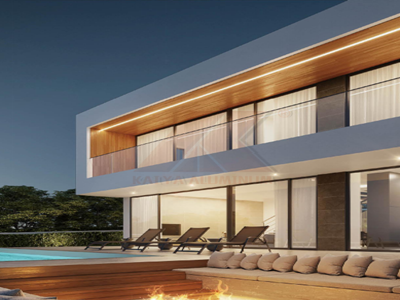
Roof terraces represent some of the most valuable and exposed spaces in modern buildings, requiring robust safety infrastructure that doesn't compromise aesthetics. An aluminum glass balustrade emerges as the optimal solution for these environments, combining transparent design with exceptional structural integrity. Property managers, architects, and facility directors increasingly select aluminum glass balustrade systems because they address the critical safety requirements of elevated spaces while maintaining visual clarity and elegant appearance. Understanding the specific safety advantages of an aluminum glass balustrade helps stakeholders make informed decisions about roof terrace protection and compliance.
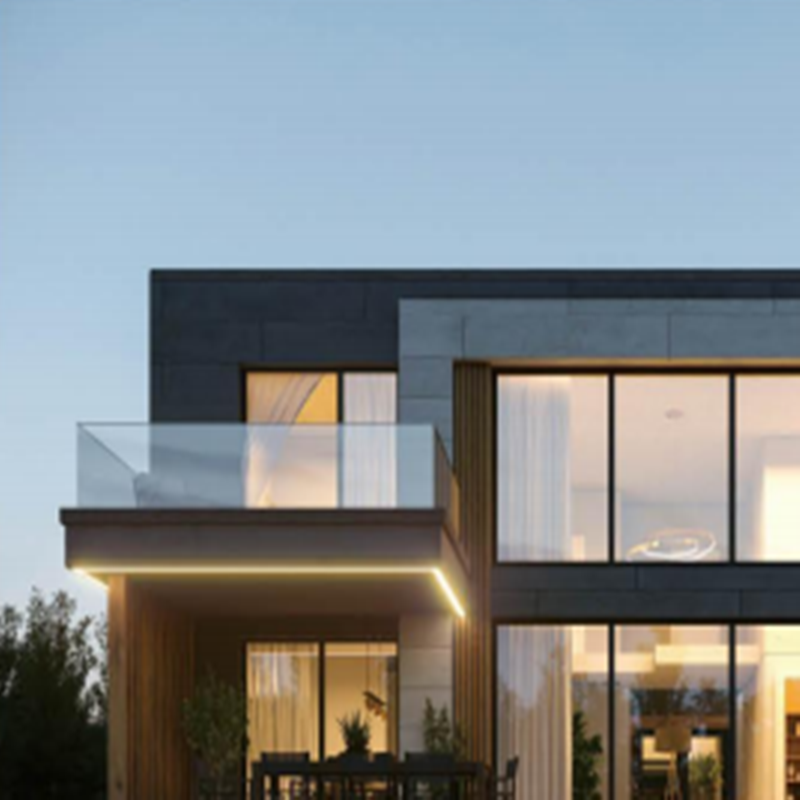
The safety profile of an aluminum glass balustrade extends far beyond simple visual barriers. These systems integrate multiple protective layers that work together to prevent falls, resist environmental stresses, and maintain long-term reliability in demanding roof terrace conditions. When properly specified and installed, an aluminum glass balustrade becomes an essential component of comprehensive safety strategy, protecting occupants while meeting or exceeding building codes and regulatory standards.
Structural Integrity and Load Resistance
Superior Strength of Aluminum Framework
An aluminum glass balustrade derives much of its safety performance from the exceptional strength-to-weight ratio of aluminum alloys. The aluminum framework supports significant lateral forces and impacts without bending or failing, which proves critical when occupants lean against the railing or when wind pressure affects roof terrace spaces. The structural design of an aluminum glass balustrade typically incorporates reinforced corners, welded connections, and weight-rated components that exceed standard safety requirements. This engineered approach ensures that the aluminum glass balustrade maintains its protective function throughout decades of use and exposure to environmental stressors.
Wind Load and Impact Performance
Roof terraces experience significant wind pressures that can destabilize inferior railing systems. An aluminum glass balustrade is engineered to withstand calculated wind loads that exceed typical exposure conditions, providing confidence in its performance during extreme weather events. The aluminum frame distributes lateral stresses evenly across attachment points, while the glass panel resists deflection without transmitting dangerous loads to mounting hardware. When selecting an aluminum glass balustrade for high-altitude installations, this wind resistance becomes a fundamental safety consideration that protects both structure and occupants.
Glass Safety Performance and Protective Benefits
Tempered Glass Properties and Fall Prevention
The glass component of an aluminum glass balustrade plays an equally critical safety role as the aluminum frame. Modern aluminum glass balustrade systems typically use tempered or laminated glass that meets international safety standards for fragmentation control. Tempered glass in an aluminum glass balustrade absorbs impact energy and fractures into small, relatively harmless granules rather than sharp shards that could injure occupants. This characteristic distinguishes high-quality aluminum glass balustrade installations from systems using standard annealed glass, making it the preferred choice for safety-conscious applications on roof terraces where falls present serious hazards.
Transparency and Hazard Awareness
A significant safety advantage of an aluminum glass balustrade stems from its transparency, which allows occupants to clearly see the edge of roof terraces and maintain spatial awareness. Unlike solid barriers that can create false confidence or impede vision, an aluminum glass balustrade preserves sight lines while providing complete protective containment. This psychological and practical safety benefit reduces accidental falls caused by misjudged distances or obscured edge conditions. Property managers recognize that an aluminum glass balustrade's transparent design contributes to overall safety culture by making fall hazards visible rather than concealed.
Durability, Maintenance, and Long-Term Safety
Corrosion Resistance and Material Longevity
An aluminum glass balustrade maintains its safety properties over time through superior corrosion resistance compared to steel or iron alternatives. Anodized aluminum finishes create protective oxide layers that prevent rust and structural degradation, ensuring that an aluminum glass balustrade remains structurally sound for twenty years or more with minimal maintenance. Roof terraces expose railings to constant UV exposure, moisture, temperature fluctuations, and pollutants that compromise weaker materials. The inherent material properties of an aluminum glass balustrade mean safety performance doesn't degrade due to environmental factors, protecting occupants consistently throughout the system's operational life.
Hygiene and Safety Compliance
The smooth, non-porous surface of an aluminum glass balustrade facilitates regular cleaning and sanitization without harboring bacterial growth or corrosive contaminants. Healthcare facilities, hospitality venues, and public-access roof terraces benefit from an aluminum glass balustrade's hygienic properties, which support infection control protocols and worker safety standards. Regular maintenance of an aluminum glass balustrade doesn't require specialized techniques or corrosive cleaning agents, reducing chemical exposure risks for maintenance personnel. This practical durability contributes to comprehensive safety strategy by ensuring the aluminum glass balustrade remains visually inspectable and structurally reliable across extended operational periods.
Compliance and Regulatory Safety Standards
Building Code Adherence and Certification
An aluminum glass balustrade designed for roof terraces must satisfy building codes specifying minimum heights, load ratings, and safety performance criteria established by jurisdictional authorities. Properly certified aluminum glass balustrade systems come with documentation confirming compliance with standards such as International Building Code requirements, British Standards, or equivalent regional regulations. Architects and engineers specify aluminum glass balustrade systems based on verified testing data and third-party certifications that confirm the system meets all applicable safety mandates. This certification framework ensures that an aluminum glass balustrade installation provides legally defensible safety assurance for property owners and operators.
Liability Mitigation and Risk Management
Selecting a compliant, certified aluminum glass balustrade reduces liability exposure associated with fall accidents and property damage. Insurance providers and risk managers recognize that an aluminum glass balustrade meeting established safety standards demonstrates due diligence in hazard control and occupant protection. Documented specifications, installation records, and periodic inspections of an aluminum glass balustrade create an audit trail proving adherence to safety obligations. Organizations prioritizing comprehensive risk management view an aluminum glass balustrade investment as both a protective barrier and a legal safeguard that reduces operational and financial exposure.
FAQ
Can an aluminum glass balustrade prevent all roof terrace falls?
An aluminum glass balustrade serves as a primary engineering control that significantly reduces fall risks when properly designed, installed, and maintained at regulatory heights. However, comprehensive safety requires combining the aluminum glass balustrade with administrative controls, training, and incident reporting procedures. No single barrier prevents all accidents, but an aluminum glass balustrade represents the most effective structural safeguard available for roof terrace applications when specified to meet building codes and safety standards.
How often should an aluminum glass balustrade be inspected?
An aluminum glass balustrade should be visually inspected at least annually and after any significant weather events, impacts, or unusual conditions. Comprehensive professional inspections of an aluminum glass balustrade should occur every three to five years to assess structural integrity, fastener condition, and glass condition. Regular inspection schedules maintain safety compliance and identify deterioration early, preserving the protective function of an aluminum glass balustrade throughout its operational life.
What distinguishes high-quality aluminum glass balustrade systems from inferior alternatives?
High-quality aluminum glass balustrade systems feature anodized aluminum frames, tempered or laminated safety glass, structural engineering compliance with building codes, and comprehensive certification documentation. Inferior aluminum glass balustrade products may use non-tempered glass, inadequate frame thickness, or insufficient attachment methods that compromise safety performance. Specifying aluminum glass balustrade from manufacturers providing detailed engineering data, warranty coverage, and third-party testing ensures optimal safety performance and long-term reliability.