
 EN
EN


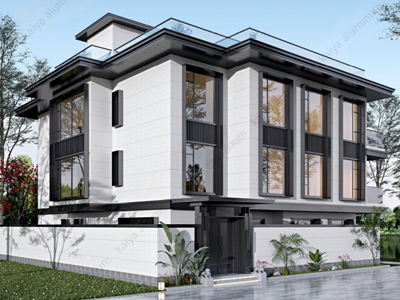
Every building project that involves a curtain wall facade design decision carries significant long-term consequences. Whether you are working on a commercial tower, a corporate campus, or a high-rise residential development, the curtain wall facade design you select will directly shape the building's performance, visual identity, and maintenance burden for decades. Making this decision without a clear framework often leads to costly revisions, thermal inefficiencies, and structural complications that could have been avoided.
A well-informed curtain wall facade design process considers multiple interdependent variables, from structural load requirements and thermal performance to material selection and local building codes. This article breaks down the core factors that architects, developers, and procurement teams should evaluate when approaching a curtain wall facade design project, so that every choice made supports both functional excellence and long-term building value.
Structural and Load Performance in Curtain Wall Facade Design
Wind Load and Seismic Considerations
One of the most critical starting points in any curtain wall facade design project is understanding the structural demands of the building's location. Wind load calculations directly determine how the curtain wall facade design must be engineered, including the depth of mullions, the thickness of glazing panels, and the type of anchoring system used. In high-wind zones or seismic regions, curtain wall facade design must incorporate movement joints and flexible anchoring details that allow the system to absorb dynamic forces without transferring stress into the building's primary structure.
Ignoring these structural realities during early curtain wall facade design stages is a common source of project risk. Engineers and facade consultants should review wind tunnel data, local climate records, and applicable structural codes before committing to any curtain wall facade design configuration. A curtain wall facade design that performs well structurally protects not only the envelope but also the people and assets inside the building.
Aluminum Profile Precision and System Compatibility
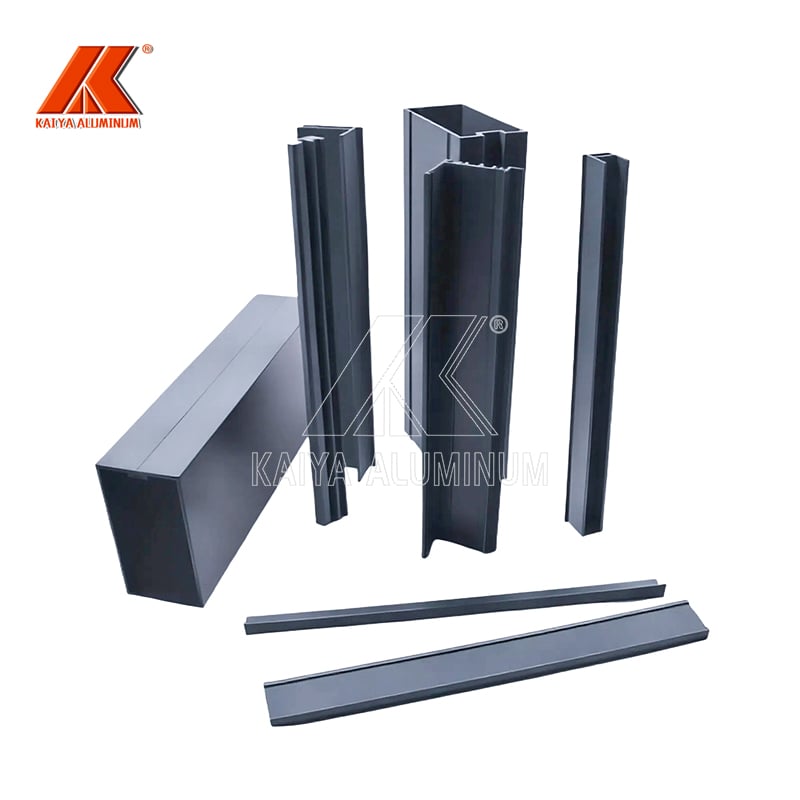
The quality of extruded aluminum profiles plays a defining role in curtain wall facade design outcomes. Precision-machined profiles with consistent cross-sections ensure tight tolerances at every joint, reducing air and water infiltration risk. When evaluating curtain wall facade design components, specifiers should look for profiles manufactured using high-precision extrusion processes that meet dimensional stability requirements across varying temperatures. This becomes especially important in large-span curtain wall facade design projects where thermal expansion differentials can create misalignment if tolerances are loose.
Thermal and Energy Performance Factors
Thermal Break Systems and U-Value Targets
Energy performance is now a non-negotiable dimension of any serious curtain wall facade design evaluation. Building energy codes in most markets require curtain wall facade design solutions to meet specific U-value and solar heat gain coefficient targets. Thermal break technology, which uses low-conductivity material to interrupt the aluminum frame's thermal bridge, is a standard feature in high-performance curtain wall facade design. Without an effective thermal break, a curtain wall facade design will transfer excessive heat or cold between the interior and exterior, increasing HVAC loads and reducing occupant comfort.
Specifiers evaluating curtain wall facade design options should request certified test data for the proposed system's thermal performance rather than relying on calculated estimates alone. The glazing unit itself is equally important — a curtain wall facade design using double or triple insulated glass units with low-emissivity coatings will significantly outperform single-glazed alternatives in both heating and cooling seasons. The total curtain wall facade design thermal package, framing plus glazing, must be assessed as an integrated system.
Condensation Risk and Moisture Management
Moisture management is an often-underestimated dimension of curtain wall facade design. When warm, humid interior air contacts a cold frame surface, condensation forms, leading to mold growth, corrosion, and insulation degradation. A curtain wall facade design that incorporates properly positioned vapor barriers, drainage channels, and drained-and-ventilated pressure-equalized cavities will manage moisture far more reliably. Reviewing the curtain wall facade design's drainage pathway from the glazing pocket to the exterior is a practical step that reduces long-term maintenance liability significantly.
Aesthetic Flexibility and Customization in Curtain Wall Facade Design
Visual Expression and Architectural Intent
Beyond performance, curtain wall facade design is a major vehicle for architectural expression. The proportions of mullions and transoms, the depth of shadow lines, the choice of glass opacity, and the surface finish of aluminum frames all contribute to how a building reads from the street and from the interior. A curtain wall facade design that reflects the project's architectural language creates visual coherence between the building envelope and its surroundings. Specifying custom-shaped aluminum profiles allows architects to achieve distinctive sightlines and detail profiles that standard off-the-shelf curtain wall facade design systems cannot replicate.
Custom curtain wall facade design profiles, produced through precision extrusion, can be tailored in cross-section geometry to match specific aesthetic requirements while still meeting structural and thermal performance thresholds. This flexibility makes curtain wall facade design a genuinely expressive medium rather than a purely technical one. Projects that invest in customized curtain wall facade design components often achieve stronger market differentiation and tenant appeal.
Finishes, Color, and Long-Term Durability
The surface finish selected for a curtain wall facade design has direct implications for both aesthetics and durability. Anodized and PVDF powder-coated finishes are the most common choices in curtain wall facade design because both offer excellent resistance to UV degradation, salt spray, and atmospheric pollutants. The choice between them in a curtain wall facade design context often comes down to the desired color range, gloss level, and expected service life. Lighter colors in curtain wall facade design tend to reduce solar heat absorption, while darker tones require coatings with higher reflectance values to avoid thermal stress in the aluminum frame.
FAQ
What is the most important factor in curtain wall facade design selection?
Structural performance under site-specific wind and seismic loads is typically the most critical starting point in curtain wall facade design selection, as it determines system sizing, anchoring strategy, and glazing specifications from the very beginning of the design process.
How does aluminum profile quality affect curtain wall facade design performance?
High-precision aluminum profiles in curtain wall facade design ensure dimensional consistency across the entire facade, which reduces air and water infiltration, improves thermal performance, and simplifies installation by maintaining tight joint tolerances even in large-scale applications.
Can curtain wall facade design be customized for unique architectural shapes?
Yes. Custom-shaped aluminum profiles produced through precision extrusion make it possible to achieve unique cross-section geometries in curtain wall facade design, enabling architects to create visually distinctive facades that meet both structural and energy performance requirements without compromise.