
 EN
EN


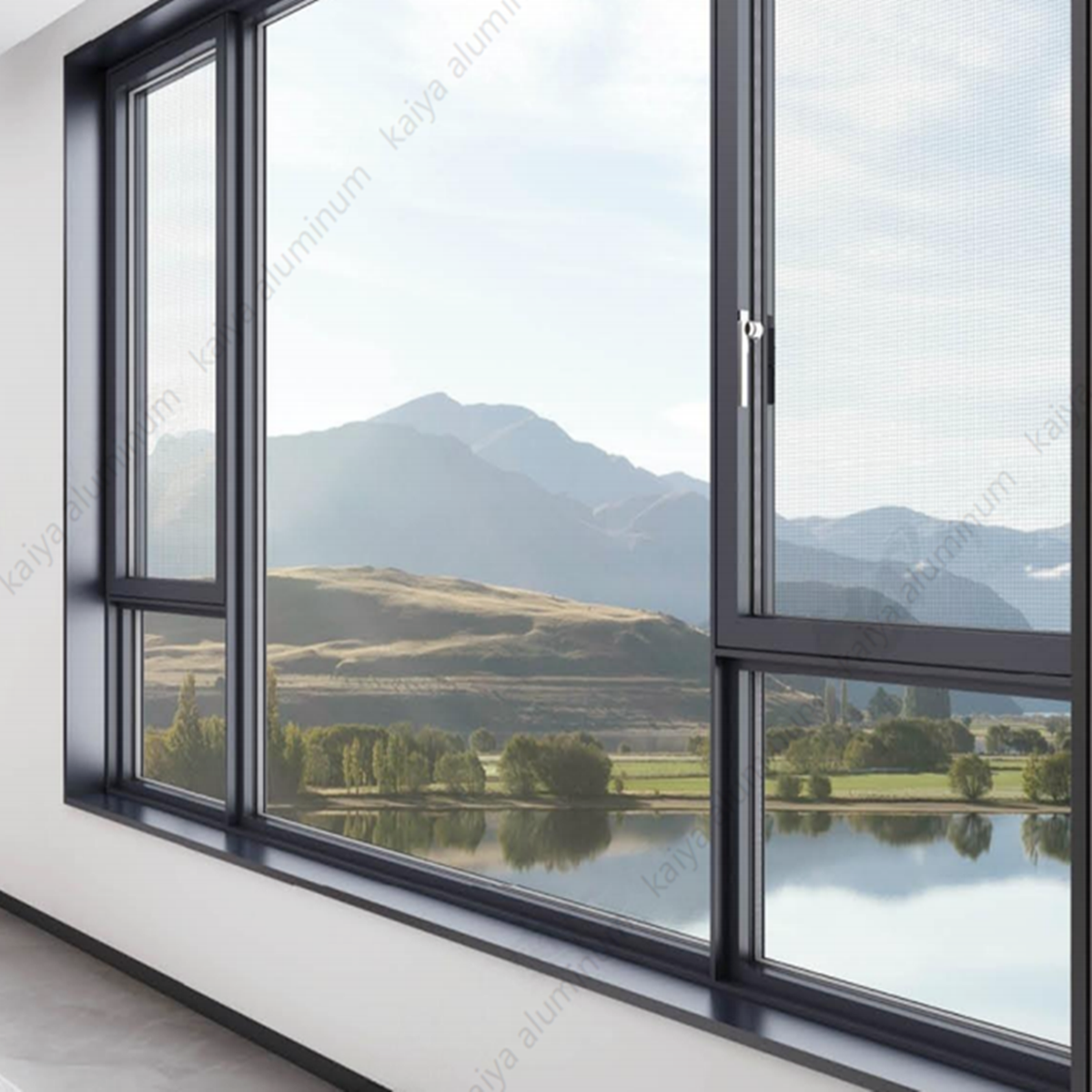
Architectural curtain walls serve as the defining aesthetic and functional element of modern commercial buildings, transforming simple structures into iconic landmarks while providing essential environmental separation. These sophisticated building envelope systems require deliberate, systematic maintenance to preserve their performance, structural integrity, and visual appeal over decades of service life. Understanding the specific maintenance needs of architectural curtain walls enables building owners, facility managers, and maintenance professionals to protect their investment while ensuring occupant comfort and safety. The complexity of architectural curtain walls demands a proactive approach that addresses multiple interconnected systems, from glazing and sealants to aluminum framing and anchoring mechanisms, all working together to resist wind loads, thermal stress, and environmental exposure.
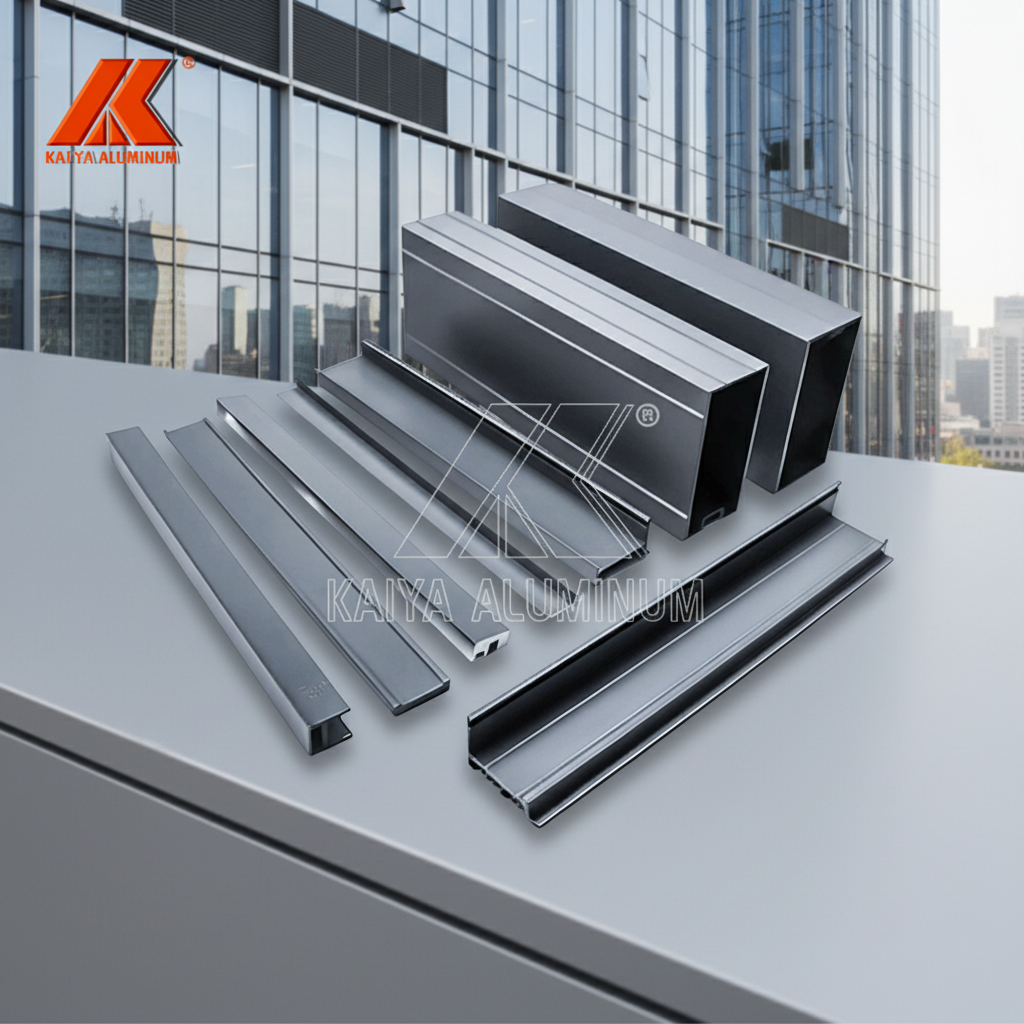
Proper maintenance of architectural curtain walls extends far beyond occasional cleaning, encompassing systematic inspection protocols, preventive interventions, component replacement strategies, and performance monitoring that collectively determine whether these facades deliver their intended service life. Buildings featuring architectural curtain walls face unique challenges related to thermal cycling, water infiltration, air leakage, structural movement, and material degradation that accelerate when maintenance practices fall short of industry standards. This comprehensive guide presents proven best practices for maintaining architectural curtain walls, drawing from decades of field experience, manufacturer recommendations, and building science research to help stakeholders develop effective maintenance programs that protect building performance while controlling lifecycle costs.
Understanding the Maintenance Requirements of Architectural Curtain Walls
Recognizing the Unique Characteristics of Architectural Curtain Walls
Architectural curtain walls differ fundamentally from traditional building envelopes through their non-load-bearing design, which transfers all structural loads to the building frame while the curtain wall system resists only environmental forces including wind pressure, seismic movement, and thermal expansion. This distinction creates specific maintenance requirements for architectural curtain walls that focus on preserving the independence of movement between the building structure and the facade system. The typical composition of architectural curtain walls includes aluminum mullions, vision glass, spandrel panels, thermal breaks, weather seals, anchoring brackets, and drainage pathways, each contributing to overall system performance and each requiring targeted maintenance attention. Facility managers must understand that architectural curtain walls function as integrated systems where the failure of individual components such as sealants or drainage weeps can compromise the performance of adjacent elements and eventually the entire facade assembly.
Identifying Common Degradation Patterns in Architectural Curtain Walls
The maintenance strategy for architectural curtain walls must account for predictable degradation patterns that emerge over the building lifecycle, beginning with sealant deterioration that typically manifests within ten to twenty years depending on exposure conditions, sealant quality, and installation workmanship. Water infiltration represents the most consequential failure mode in architectural curtain walls, often resulting from compromised perimeter seals, blocked drainage pathways, or failed gaskets that allow moisture to penetrate the wall assembly and potentially damage interior finishes, structural components, and building systems. Aluminum frame components in architectural curtain walls undergo surface oxidation and potential corrosion where protective finishes have been damaged or where dissimilar metals create galvanic reactions, requiring periodic inspection and protective treatment. Thermal performance degradation in architectural curtain walls occurs gradually as thermal breaks deteriorate, sealants shrink, and insulating glass units develop seal failures that compromise energy efficiency and occupant comfort. Building movement and structural settlement create stress concentrations in architectural curtain walls at connection points and expansion joints, making these locations priority inspection zones where maintenance interventions can prevent minor issues from escalating into major repairs.
Implementing Systematic Inspection Protocols for Architectural Curtain Walls
Establishing Regular Inspection Schedules for Architectural Curtain Walls
Effective maintenance of architectural curtain walls begins with systematic inspection protocols executed at appropriate intervals, with industry standards recommending annual visual surveys for all architectural curtain walls supplemented by detailed hands-on inspections every three to five years depending on building age, environmental exposure, and performance history. Initial inspections of architectural curtain walls should occur within the first year following construction completion to identify installation defects, construction damage, or design shortcomings while warranty coverage remains in effect and correction costs can be minimized. The inspection protocol for architectural curtain walls must include both exterior and interior examination, recognizing that visible exterior conditions often mask concealed deterioration while interior symptoms such as water staining, condensation, or drafts provide critical diagnostic information about curtain wall performance. Documenting the condition of architectural curtain walls through photographs, written reports, and condition ratings establishes baseline information that enables trend analysis and helps maintenance teams prioritize interventions based on actual deterioration rates rather than arbitrary replacement cycles.
Conducting Comprehensive Visual and Physical Assessments of Architectural Curtain Walls
Thorough inspection of architectural curtain walls requires close-proximity examination of all accessible components, typically conducted from rope access, swing stages, or aerial work platforms that allow inspectors to observe sealant condition, glass integrity, aluminum surface quality, and drainage functionality at each floor level. The visual assessment of architectural curtain walls should systematically evaluate perimeter sealants for adhesion loss, cohesive splitting, hardening, or material loss, with particular attention to horizontal joints where water accumulation accelerates degradation and vertical joints subject to greater thermal and structural movement. Glazing inspection in architectural curtain walls examines vision glass and spandrel panels for edge seal failures in insulating glass units, surface damage, stress cracks, or coating deterioration that compromises thermal or solar performance. Aluminum frame components in architectural curtain walls require inspection for finish breakdown, corrosion, mechanical damage, or distortion, with special attention to drainage weeps that must remain clear and functional to evacuate water from the curtain wall cavity. Physical testing of architectural curtain walls through selective water spray testing, air leakage detection, or thermal imaging surveys provides objective performance data that supplements visual observations and helps maintenance teams identify concealed deficiencies requiring remedial action.
Executing Preventive Maintenance and Component Replacement for Architectural Curtain Walls
Performing Routine Cleaning and Minor Repairs on Architectural Curtain Walls
Regular cleaning represents the most fundamental maintenance activity for architectural curtain walls, removing accumulated dirt, pollutants, and biological growth that degrade sealants, obscure inspection observations, and diminish building appearance, with cleaning frequency ranging from quarterly for high-visibility urban locations to annually for less demanding environments. The cleaning process for architectural curtain walls must employ appropriate methods and materials that effectively remove soiling without damaging aluminum finishes, glass coatings, or sealant materials, typically using pH-neutral detergents, soft brushes or cloths, and low-pressure water rinse rather than harsh chemicals or abrasive techniques. Drainage maintenance in architectural curtain walls includes clearing weep holes, cleaning drain troughs, and verifying that water exits the system properly rather than accumulating in sill areas where prolonged moisture contact accelerates material deterioration. Minor repairs to architectural curtain walls address isolated sealant gaps, small glass chips, loose trim pieces, or damaged finishes before these conditions expand into more extensive problems requiring major intervention. Maintaining accurate records of cleaning activities, minor repairs, and observed conditions for architectural curtain walls creates a maintenance history that supports lifecycle planning, budget forecasting, and warranty claims when component failures occur prematurely.
Planning and Executing Major Component Replacement in Architectural Curtain Walls
Major maintenance interventions in architectural curtain walls typically involve comprehensive sealant replacement, insulating glass unit renewal, or aluminum frame component replacement based on condition assessment findings, performance testing results, and lifecycle expectations for individual materials and assemblies. Sealant replacement in architectural curtain walls represents the most common major maintenance activity, generally required within fifteen to twenty-five years of initial installation depending on sealant quality, joint design, environmental exposure, and application workmanship. The sealant replacement process for architectural curtain walls demands complete removal of deteriorated material, thorough joint preparation including primer application where specified, and installation of new sealant by qualified applicators following manufacturer guidelines for material selection, joint dimensions, backing materials, and curing conditions. Insulating glass replacement in architectural curtain walls addresses seal failures that compromise thermal performance and create visual defects through internal condensation or fogging, requiring careful removal of failed units, frame preparation, and installation of replacement glazing with compatible edge clearances and setting blocks. Structural repairs to architectural curtain walls address more severe conditions including corroded anchors, damaged mullions, or failed connections, often requiring engineering analysis to develop repair details that restore original performance while accommodating existing conditions and maintaining building occupancy during construction activities.
FAQ
How often should architectural curtain walls be inspected for maintenance needs?
Architectural curtain walls should undergo annual visual inspections from ground level or interior spaces to identify obvious deficiencies, supplemented by detailed hands-on inspections every three to five years involving close-proximity examination of sealants, glazing, drainage, and aluminum components using access equipment such as swing stages or rope access systems that allow inspectors to observe conditions at each floor level and document findings through photographs and written reports.
What are the most critical maintenance activities for architectural curtain walls?
The most critical maintenance activities for architectural curtain walls include regular cleaning to remove dirt and pollutants, drainage system maintenance to ensure weep holes and drain paths remain clear and functional, sealant inspection and replacement to prevent water infiltration, and systematic condition monitoring that identifies developing problems before they escalate into major failures requiring extensive repairs or premature component replacement that could otherwise be avoided through timely preventive intervention.
When should sealants in architectural curtain walls be replaced?
Sealants in architectural curtain walls typically require replacement within fifteen to twenty-five years of installation when visual inspection reveals adhesion loss, cohesive splitting, hardening, excessive material loss, or when performance testing demonstrates water infiltration or air leakage through perimeter joints, though replacement timing varies based on sealant quality, joint design, environmental exposure including UV radiation and temperature cycling, and original installation workmanship that collectively determine actual service life for these critical weather barrier components.