
 EN
EN


Investing in curtain wall spider systems is a significant decision for any commercial construction or facade upgrade project. Project owners, architects, and procurement managers all want to know whether the investment will pay off — not just aesthetically, but financially. Understanding exactly how curtain wall spider systems generate return on investment requires looking at installation efficiency, energy performance, maintenance costs, and building lifespan, all together as a complete financial picture.
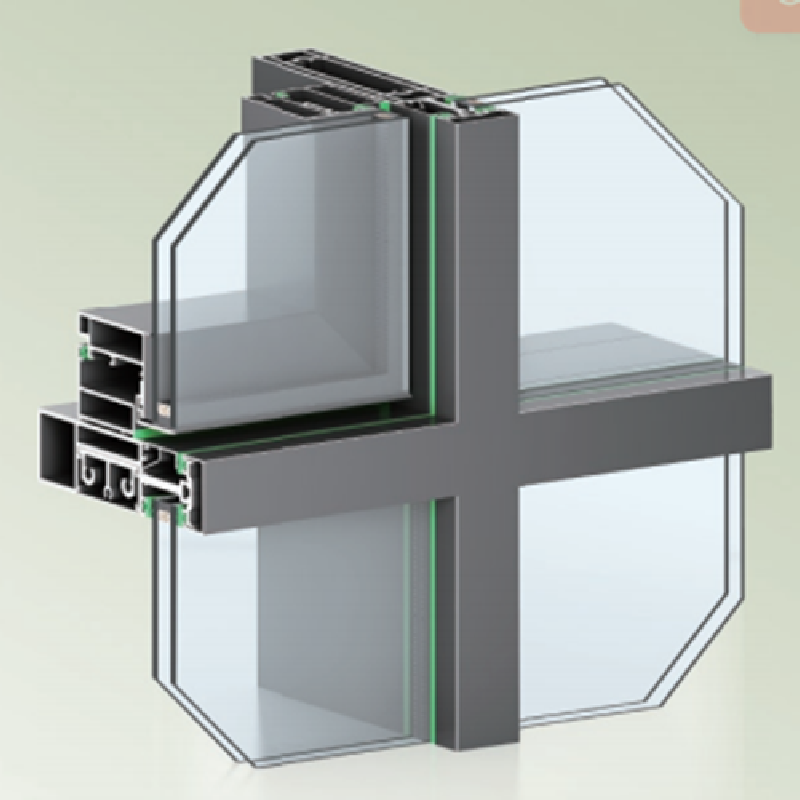
Curtain wall spider systems use point-fixed glass panels supported by spider fittings rather than traditional framed aluminum grids. This structural approach creates a nearly frameless glazed surface that maximizes transparency and daylighting. Beyond the visual impact, curtain wall spider systems offer measurable financial advantages that compound over the entire operational life of a building. To achieve the best ROI, buyers must understand where value is created at each stage of the project lifecycle.
Installation Efficiency and Labor Cost Reduction
Faster Site Assembly with Curtain Wall Spider Systems
One of the most immediate ways curtain wall spider systems contribute to ROI is through faster installation. Traditional stick-built curtain wall systems require extensive aluminum framing, which is assembled piece by piece on-site. Curtain wall spider systems, by contrast, use pre-engineered spider fittings and minimal structural members, which reduces the number of components handled at height. This directly translates to fewer labor hours per square meter of facade installed.
When labor hours are reduced on a large commercial project, the savings can be substantial. Curtain wall spider systems allow installation crews to work more efficiently, meaning shorter project timelines and lower scaffolding or swing-stage rental costs. For developers working against tight handover deadlines, every week saved during facade installation has a tangible dollar value. Curtain wall spider systems deliver this advantage consistently across mid-rise and high-rise applications.
Prefabrication Compatibility and Waste Minimization
Curtain wall spider systems are highly compatible with prefabrication workflows. Spider fittings and structural glass panels can be pre-assembled and tested off-site before delivery, which reduces on-site rework and material waste. Reduced waste means lower disposal costs and better material utilization rates. When curtain wall spider systems are combined with a well-coordinated BIM workflow, the precision of fit-out increases further, reducing costly site modifications.
Energy Performance and Operational Savings
Daylighting Benefits from Curtain Wall Spider Systems
Curtain wall spider systems maximize the glazed area of a building facade by eliminating bulky frame elements. More glazed surface means more natural light penetrates interior spaces. When buildings use natural daylighting effectively, artificial lighting loads drop significantly. Commercial buildings that adopt curtain wall spider systems often report measurable reductions in lighting energy consumption, which lowers annual utility bills across the full operational period of the building.
This lighting reduction benefit from curtain wall spider systems is especially important for office buildings, retail centers, and mixed-use developments where lighting runs for extended hours. Over a 20-year building lifecycle, cumulative energy savings from improved daylighting through curtain wall spider systems can represent a significant portion of the original facade investment recovered purely through reduced operating costs.
Thermal Performance of High-Performance Glass in Curtain Wall Spider Systems
Modern curtain wall spider systems are designed to work with high-performance insulated glass units, including double-glazed and triple-glazed options. The thermal properties of these glass units are not compromised by the spider fitting method, because the point-fixed connection minimizes thermal bridging compared to traditional aluminum frames. Curtain wall spider systems using thermally broken hardware and low-E coated glass can meet or exceed current energy codes in most markets.
Better thermal performance means reduced heating and cooling loads. For buildings in climates with significant seasonal temperature swings, curtain wall spider systems help maintain interior comfort without overloading HVAC systems. Lower HVAC demand reduces energy bills and also extends the service life of mechanical systems, contributing indirectly to the overall ROI of curtain wall spider systems on any given project.
Longevity, Maintenance Costs, and Asset Value
Durability Characteristics of Curtain Wall Spider Systems
Curtain wall spider systems are built from stainless steel or high-grade aluminum spider fittings paired with structural silicone sealants and tempered or laminated glass. These materials are selected for long-term corrosion resistance and mechanical stability. Properly specified curtain wall spider systems require minimal maintenance beyond periodic cleaning and routine sealant inspection. This low-maintenance profile reduces the lifecycle cost of the facade and supports a stronger return over time.
When individual glass panels in curtain wall spider systems need replacement due to accidental damage, the point-fixed design often allows single panels to be replaced without disturbing adjacent panels. This targeted replaceability avoids costly full-section facade repairs. Compared to framed systems where damage can require removal of entire frame sections, curtain wall spider systems offer a more economical repair model that protects the long-term cost structure of building ownership.
Market Value and Tenant Attraction Through Curtain Wall Spider Systems
Buildings featuring curtain wall spider systems are visually distinctive. The clean, frameless glass aesthetic is strongly associated with premium commercial, hospitality, and corporate identity projects. This market positioning matters for ROI because buildings with higher perceived quality command better lease rates and attract quality tenants more reliably. Curtain wall spider systems are a recognized signal of architectural ambition, which translates directly into asset valuation at both completion and during refinancing or sale.
Real estate developers who integrate curtain wall spider systems into commercial facades often find that the premium positioning justifies higher per-square-meter lease rates. Even a modest increase in achievable rents, compounded over a multi-year lease, can recover the incremental cost of curtain wall spider systems compared to conventional alternatives. When asset managers and appraisers evaluate buildings, a well-executed curtain wall spider systems facade is consistently treated as a value-adding feature.
FAQ
How long does it typically take to see ROI from curtain wall spider systems?
The timeline depends on project scale and use type, but most commercial buildings with curtain wall spider systems begin recovering investment through energy savings and rental premiums within five to seven years of completion. Larger projects with higher lease rates can see faster recovery periods.
Are curtain wall spider systems suitable for retrofit projects or only new construction?
Curtain wall spider systems can be used in both new construction and facade retrofit projects. In retrofit scenarios, the structural support system must be carefully assessed, but the point-fixed nature of curtain wall spider systems makes them adaptable to existing structural frames when properly engineered.
What maintenance is required to protect the ROI of curtain wall spider systems over time?
Routine maintenance for curtain wall spider systems includes periodic glass cleaning, annual inspection of spider fittings for corrosion or movement, and sealant condition checks every five to ten years. This low-maintenance requirement is one reason curtain wall spider systems deliver strong long-term ROI compared to higher-maintenance facade alternatives.