
 EN
EN


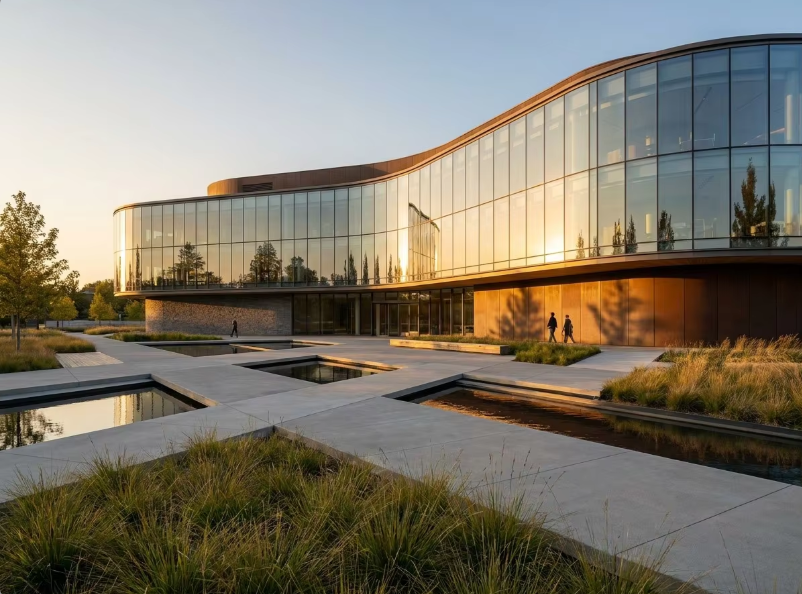
Understanding how to maximize return on investment through advanced glass curtain wall implementation has become critical for developers, architects, and building owners seeking long-term value in commercial construction. A glass curtain wall system represents more than an architectural feature—it functions as a strategic asset that influences operational costs, tenant satisfaction, property valuation, and environmental performance over the building's lifecycle. When properly specified and installed, a glass curtain wall delivers measurable financial benefits that extend far beyond initial construction expenditures, making it essential to approach glass curtain wall selection with ROI optimization as a primary decision criterion.
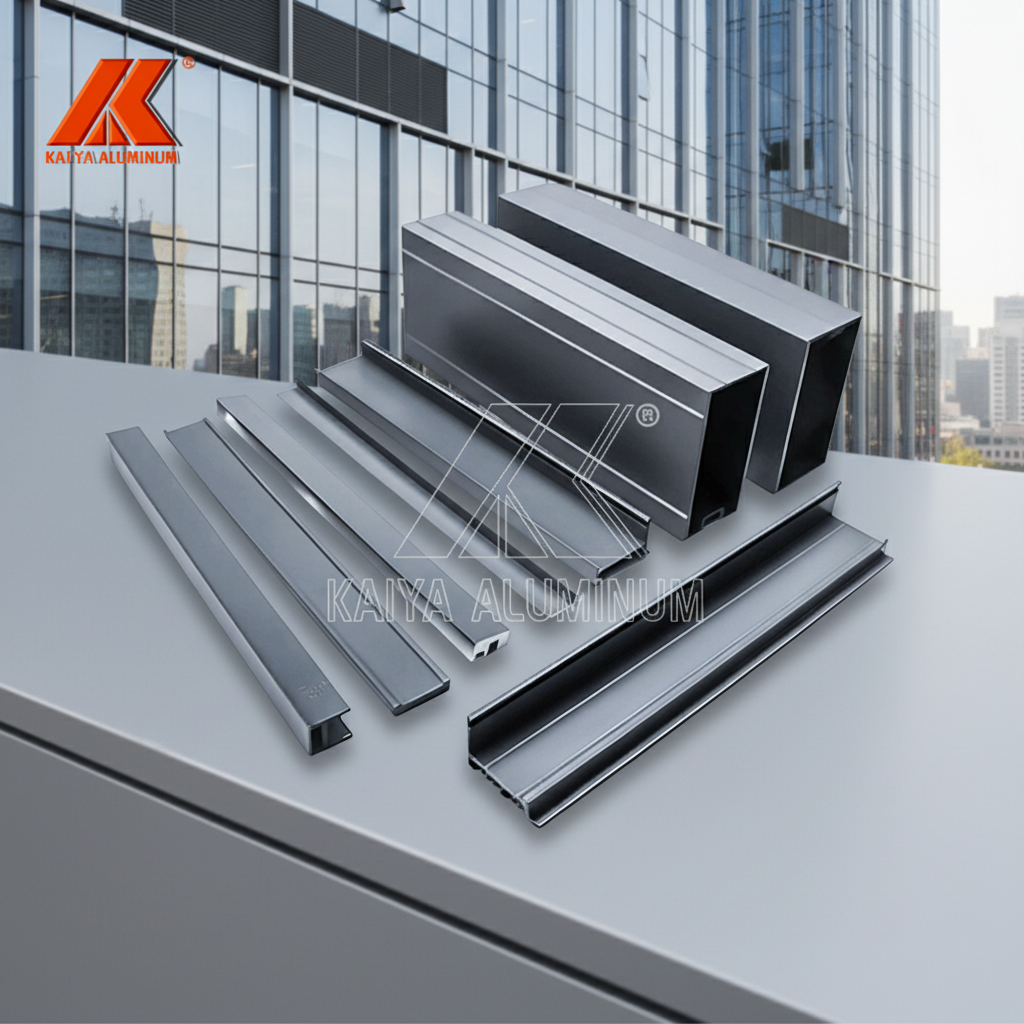
Advanced glass curtain wall technology has evolved significantly, incorporating thermal breaks, low-emissivity coatings, and structural innovations that directly impact financial performance. The connection between glass curtain wall specifications and ROI manifests through reduced energy consumption, lower maintenance requirements, improved tenant retention rates, and enhanced market positioning. Building owners who understand these relationships can make informed decisions that align upfront investment with sustained value creation, ensuring their glass curtain wall contributes positively to the project's financial success throughout its operational life.
Energy Performance and Operational Cost Reduction
Thermal Efficiency of Modern Glass Curtain Wall Systems
The thermal performance of a glass curtain wall directly influences HVAC operating costs, which typically represent the largest ongoing expense in commercial buildings. Advanced glass curtain wall designs incorporate multiple thermal breaks, insulated glazing units, and pressure-equalized cavities that minimize heat transfer between interior and exterior environments. A high-performance glass curtain wall can reduce thermal transmission by 40-60 percent compared to conventional systems, translating into substantial energy savings that accumulate year after year. These savings become particularly significant in extreme climates where heating and cooling demands place heavy burdens on building systems.
Specifying a glass curtain wall with optimized U-values and solar heat gain coefficients allows building operators to downsize mechanical equipment, reducing both capital expenditure and operational costs. The glass curtain wall envelope acts as the primary barrier controlling heat flow, making its thermal characteristics a fundamental determinant of energy efficiency. Building owners should calculate the net present value of energy savings over a 20-30 year period when evaluating glass curtain wall options, as these long-term operational benefits often justify higher initial investments in premium glass curtain wall systems with superior thermal performance.
Daylighting Benefits and Electrical Load Reduction
A properly designed glass curtain wall maximizes natural daylight penetration while controlling glare and solar heat gain, reducing dependence on artificial lighting and associated electrical loads. Studies consistently demonstrate that buildings with optimized glass curtain wall daylighting strategies consume 20-35 percent less electricity for lighting compared to buildings with minimal glazing. This reduction in electrical demand lowers utility costs and decreases peak load contributions, potentially qualifying the building for reduced demand charges and utility incentives that improve overall project economics.
The glass curtain wall configuration influences daylight distribution throughout occupied spaces, affecting both energy consumption and occupant productivity. Research indicates that employees working in naturally lit environments exhibit higher productivity levels and reduced absenteeism, creating indirect ROI benefits that extend beyond direct energy savings. When evaluating glass curtain wall investments, building owners should consider both the measurable electrical cost reductions and the less tangible but equally valuable improvements in workplace quality that a well-designed glass curtain wall facilitates through optimized daylighting strategies.
Durability, Maintenance, and Lifecycle Cost Management
Material Selection and Long-Term Performance
The material quality and fabrication precision of a glass curtain wall system determine its maintenance requirements and operational lifespan, both of which significantly impact ROI calculations. Premium aluminum alloys with appropriate surface treatments resist corrosion and maintain structural integrity for decades, while inferior materials may require premature replacement or extensive remediation. A glass curtain wall constructed with high-grade aluminum profiles and engineered connections minimizes the risk of performance degradation, ensuring that the system continues delivering intended benefits throughout its design life without unexpected capital outlays for repairs.
Advanced glass curtain wall systems incorporate weather seals, gaskets, and drainage provisions designed for long-term reliability under repeated thermal cycling and weather exposure. These components must maintain their functionality over decades to prevent air infiltration, water penetration, and associated damage that compromise building performance and require costly interventions. Building owners should verify that glass curtain wall manufacturers provide detailed maintenance protocols and warranty coverage that protects against premature failure, as these provisions directly affect lifecycle cost projections and ROI confidence levels.
Maintenance Accessibility and Cost Control
The design of a glass curtain wall influences maintenance accessibility, inspection procedures, and the associated labor costs required to keep the system functioning optimally. Systems that provide safe, efficient access for cleaning, seal replacement, and component inspection reduce ongoing maintenance expenses and extend the intervals between major interventions. A glass curtain wall specification should include provisions for building maintenance equipment, anchor points for suspended scaffolding, and panel designs that facilitate component replacement without extensive disassembly, all of which contribute to lower lifecycle costs and improved ROI outcomes.
Predictable maintenance requirements allow building operators to budget accurately and avoid unexpected expenses that erode financial performance. A glass curtain wall system with documented maintenance schedules and readily available replacement components provides cost certainty that supports long-term financial planning. Building owners should evaluate glass curtain wall options based on total cost of ownership rather than initial purchase price alone, recognizing that systems requiring minimal intervention deliver superior ROI despite potentially higher upfront costs compared to alternatives demanding frequent maintenance and premature component replacement.
Property Value Enhancement and Market Positioning
Aesthetic Appeal and Tenant Attraction
The visual impact of a glass curtain wall significantly influences property marketability, tenant attraction, and achievable rental rates, all of which directly affect investment returns. Modern glass curtain wall designs create distinctive architectural expressions that differentiate buildings in competitive markets, allowing owners to command premium lease rates and maintain higher occupancy levels. The transparency and lightness of a glass curtain wall convey modernity, sophistication, and environmental consciousness—qualities that appeal to corporate tenants seeking prestigious addresses that reflect their brand values and support employee recruitment efforts.
A glass curtain wall installation signals quality construction and attention to building performance, influencing tenant perceptions and leasing decisions. Buildings featuring advanced glass curtain wall technology often achieve faster lease-up rates and longer tenant retention periods compared to conventional structures, reducing vacancy costs and turnover expenses. These market advantages translate into improved net operating income and higher property valuations, justifying the premium investment in high-performance glass curtain wall systems that enhance both functional performance and aesthetic appeal in ways that resonate with quality-conscious tenants.
Sustainability Credentials and ESG Alignment
Environmental performance has become a critical factor in property valuation and tenant selection, with sustainability credentials increasingly influencing investment decisions and rental premiums. A high-performance glass curtain wall contributes to green building certifications such as LEED, BREEAM, and WELL, which provide third-party validation of environmental excellence that appeals to socially responsible investors and corporate tenants with ESG commitments. Buildings achieving these certifications through optimized glass curtain wall specifications command rental premiums averaging 5-15 percent above comparable non-certified properties, directly enhancing ROI through increased revenue generation.
The glass curtain wall carbon footprint, including both embodied energy in materials and operational energy performance, affects whole-building sustainability metrics that determine certification eligibility and scoring. Selecting glass curtain wall systems with recycled aluminum content, low-embodied-carbon glass, and superior thermal performance reduces environmental impact while positioning the property favorably for sustainability-focused tenants and investors. As regulatory requirements tighten and carbon disclosure becomes mandatory in many jurisdictions, buildings with efficient glass curtain wall envelopes will maintain competitive advantages and value premiums that protect and enhance long-term investment returns.
FAQ
What payback period should I expect when investing in premium glass curtain wall systems?
Typical payback periods for high-performance glass curtain wall investments range from 7 to 12 years when accounting for energy savings, reduced maintenance costs, and rental premium capture. Buildings in extreme climates or high-energy-cost markets often achieve faster payback through greater operational savings, while properties in temperate zones with low utility rates may experience longer payback periods. The calculation should include both direct cost reductions and indirect benefits such as improved tenant retention and enhanced property valuation, which significantly impact overall ROI but may not appear in simple energy payback analyses. Building owners should conduct detailed financial modeling specific to their project location, use type, and market conditions to establish realistic payback expectations for glass curtain wall investments.
How does glass curtain wall selection affect building resale value and investor appeal?
Buildings featuring advanced glass curtain wall systems typically achieve 8-15 percent higher sale prices compared to similar properties with conventional facades, reflecting investor recognition of superior operational performance and market positioning. The glass curtain wall quality signals overall construction standards and long-term performance expectations that influence buyer confidence and willingness to pay premium acquisition prices. Properties with well-maintained, energy-efficient glass curtain wall installations attract institutional investors seeking stable, low-risk assets with predictable operating expenses and strong tenant appeal, expanding the buyer pool and supporting higher valuations during disposition. Documentation of glass curtain wall performance data, maintenance history, and warranty coverage further enhances investor confidence and supports premium pricing during sale transactions.
Can glass curtain wall upgrades be justified for existing buildings seeking ROI improvement?
Retrofitting existing buildings with modern glass curtain wall technology can deliver compelling ROI when energy costs are high, the existing facade requires major repair, or the building faces competitive pressure requiring repositioning. The financial justification strengthens when glass curtain wall replacement addresses multiple deficiencies simultaneously—improving energy performance, eliminating water infiltration problems, and enhancing aesthetic appeal in a single intervention. Building owners should evaluate glass curtain wall retrofit economics by comparing the total cost of ongoing repairs and lost rental income due to obsolescence against the net benefits of modern system installation, including energy savings, reduced maintenance, and achievable rent increases. In many cases, strategic glass curtain wall replacement transforms underperforming assets into competitive properties that command market-rate rents and attract quality tenants, generating returns that justify the capital investment over medium-term holding periods.