
 EN
EN



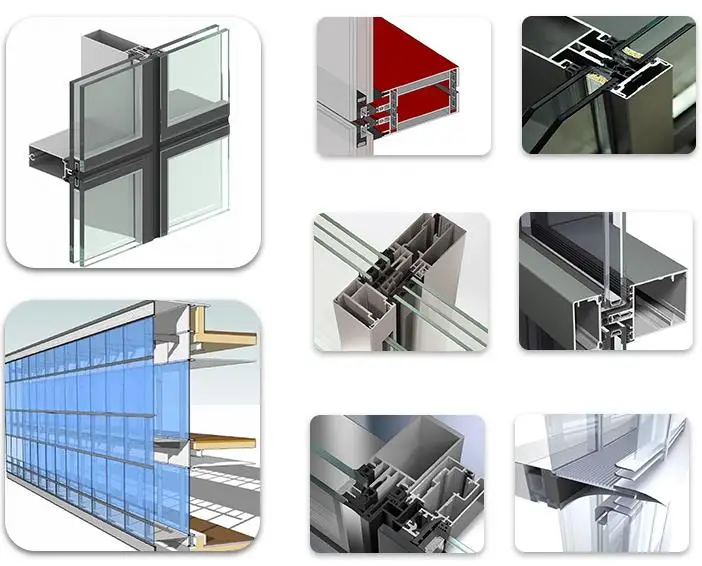
When homeowners evaluate aluminium doors, the conversation almost always circles back to two central concerns: durability and style. Both matter enormously, yet they are often treated as competing priorities. The truth is that aluminium doors have evolved to deliver on both fronts, making them one of the most practical and visually appealing choices available for residential properties today. Understanding how durability and style interact within aluminium doors helps homeowners make confident, well-informed decisions.
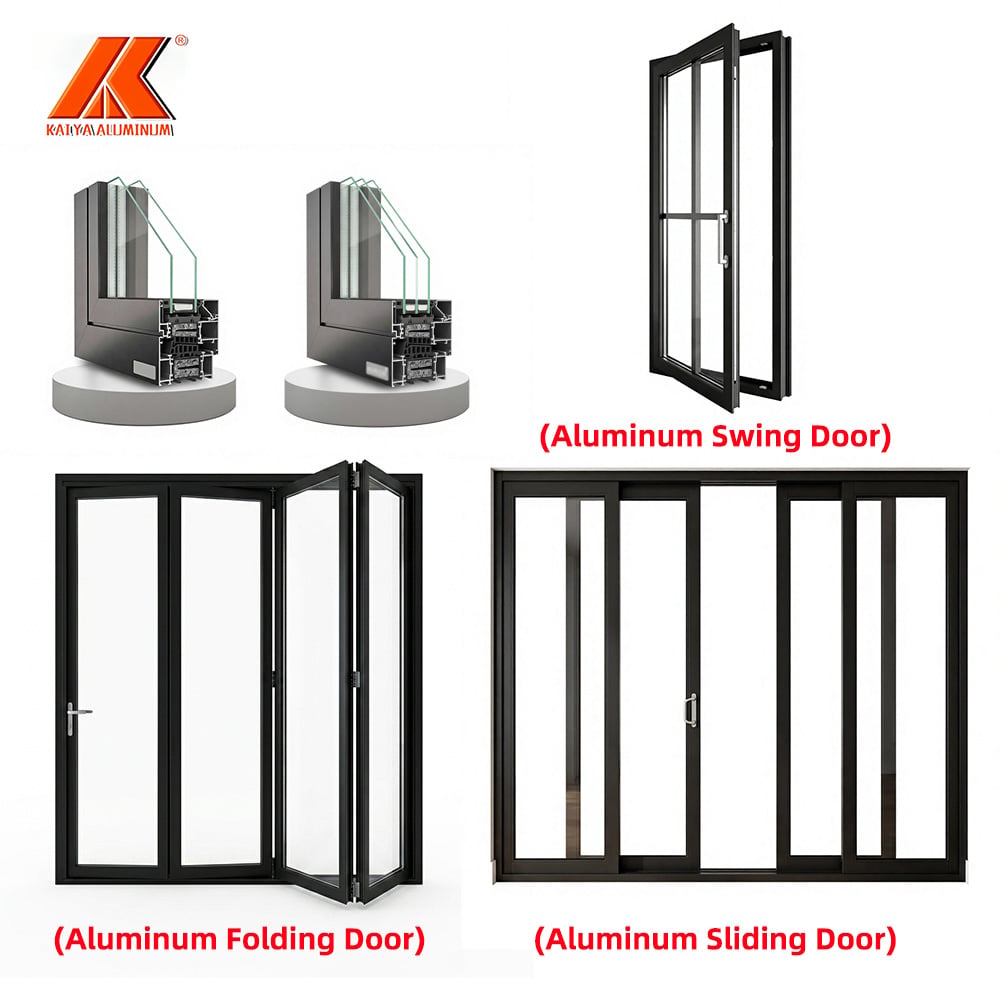
Aluminium doors are no longer the plain, utilitarian frames of decades past. Modern aluminium doors combine engineered strength with refined aesthetics, available in a wide range of finishes, colours, and configurations to suit nearly every architectural style. Whether you are installing aluminium doors on a contemporary townhouse or a traditional family home, the material offers flexibility that few alternatives can match. This article explores how aluminium doors perform across durability and style dimensions so you can weigh what matters most for your specific situation.
The Durability Case for Aluminium Doors
Structural Strength and Long-Term Performance
One of the primary reasons homeowners choose aluminium doors is the exceptional structural strength of the material. Aluminium doors resist warping, swelling, and cracking — problems that frequently affect timber or uPVC alternatives over time. Because aluminium doors are inherently resistant to moisture, they perform reliably in coastal environments, humid climates, and regions with heavy seasonal rainfall. The frames of aluminium doors maintain their dimensional stability across a wide temperature range, reducing the risk of sticking or gaps that compromise both function and energy performance.
Aluminium doors also demonstrate strong resistance to corrosion. The natural oxide layer that forms on aluminium surfaces protects aluminium doors from rust and atmospheric degradation without requiring frequent maintenance. For homeowners seeking a low-maintenance entry or interior solution, aluminium doors represent a compelling long-term investment. The operational lifespan of well-manufactured aluminium doors typically extends well beyond that of comparable wood or composite door systems, supporting better value over decades of use.
Impact Resistance and Security Features
Beyond weather performance, aluminium doors offer notable impact resistance that contributes directly to home security. The rigid frame structure of aluminium doors supports heavy-duty locking mechanisms and reinforced glazing without compromising the door's overall profile. Many aluminium doors are designed to meet stringent performance standards related to forced entry resistance, making them a preferred choice for homeowners who prioritise security. When aluminium doors are paired with multi-point locking systems and toughened glass panels, the resulting combination delivers a high level of protection without adding excessive bulk to the door design.
The Style Case for Aluminium Doors
Design Versatility and Finish Options
Style is where aluminium doors have made the most dramatic strides in recent years. Aluminium doors are available in powder-coated finishes across a virtually limitless colour palette, allowing homeowners to match or contrast their door choices with exterior cladding, window frames, and architectural details. Anodised aluminium doors offer a sleeker, more metallic appearance that suits modern minimalist designs, while woodgrain foil finishes give aluminium doors a warmer, more traditional look without the maintenance burden of real timber.
The slim sightlines achievable with aluminium doors are a significant aesthetic advantage. Because aluminium is structurally stronger than many alternative materials, aluminium doors can be engineered with narrower frame sections, allowing larger glass panels and more natural light to enter the home. This makes aluminium doors particularly popular in contemporary residential architecture, where open, light-filled interiors are a priority. Bi-fold aluminium doors, sliding aluminium doors, and pivot aluminium doors all demonstrate how the material adapts elegantly to different spatial and design requirements.
Configuration and Customisation Flexibility
Aluminium doors support a high degree of customisation in terms of panel configuration, hardware selection, and glazing type. Homeowners can specify aluminium doors with single, double, or triple glazing depending on thermal performance needs. Hardware choices for aluminium doors range from brushed stainless fittings for an industrial look to brass-toned handles that complement heritage-style properties. This level of customisation means aluminium doors rarely feel like a generic off-the-shelf product — instead, they can be tailored to reflect the homeowner's individual taste and the home's architectural character.
Balancing Durability and Style in Your Decision
Evaluating What Matters Most for Your Home
When comparing aluminium doors for durability versus style, the encouraging reality is that these qualities are largely complementary rather than conflicting. Choosing aluminium doors for their durability does not mean sacrificing appearance. Equally, selecting aluminium doors for their visual impact does not mean compromising on structural performance. The key is to evaluate aluminium doors based on the specific conditions of your property — the local climate, the architectural style, the security requirements, and the aesthetic vision you want to achieve.
For high-traffic entry points, the durability attributes of aluminium doors should take priority in the specification process. For interior glazed partitions or feature folding wall systems, the style and configuration options of aluminium doors may carry more weight. In many cases, the best aluminium doors for a given project are those that score well across both criteria — offering robust performance in the frame and hardware while delivering a refined, well-proportioned appearance that enhances the property's visual appeal.
Practical Guidance Before You Buy
Before purchasing aluminium doors, request sample finishes and assess them under the natural lighting conditions of your home. Aluminium doors can appear significantly different in direct sunlight compared to shaded or interior settings. Confirm that the aluminium doors you are considering carry relevant performance certifications for thermal efficiency and weather resistance. Ask your supplier about the warranty terms for the finish and frame of the aluminium doors, as these details reflect the manufacturer's confidence in the product's long-term quality.
FAQ
Are aluminium doors more durable than wooden doors?
Yes, aluminium doors generally outperform wooden doors in terms of long-term durability. Aluminium doors resist moisture, warping, and corrosion without requiring regular painting or sealing, making them a lower-maintenance option over time.
Can aluminium doors be customised to match my home's style?
Absolutely. Aluminium doors are available in a wide range of powder-coat colours, anodised finishes, and hardware options. This means aluminium doors can be tailored to complement virtually any architectural style, from modern to traditional.
Do aluminium doors provide good thermal insulation?
Modern aluminium doors are manufactured with thermally broken frames that significantly reduce heat transfer. When fitted with quality glazing, aluminium doors can achieve strong energy efficiency ratings, making them suitable for year-round comfort in most climates.