
 EN
EN


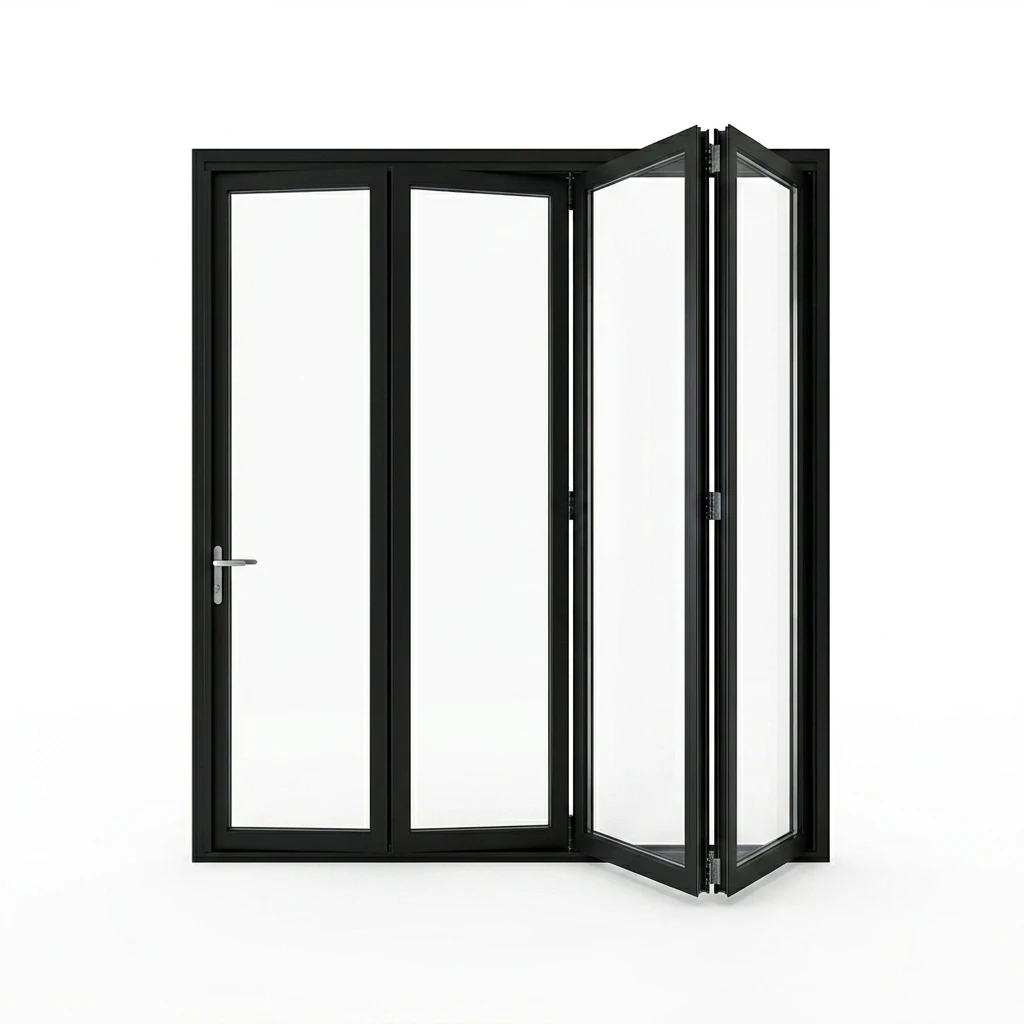
Architects and builders increasingly prioritize sustainable materials that balance environmental responsibility with structural performance. Powder coated aluminum has emerged as a defining choice for eco-friendly architecture, combining recyclability, energy efficiency, and long-term durability. Unlike traditional finishing methods that rely on volatile organic compounds, powder coated aluminum uses an electrostatic process that eliminates harmful emissions while delivering superior surface protection. This finishing technique transforms aluminum profiles into resilient building components capable of withstanding harsh weather conditions without compromising aesthetic appeal. The environmental advantages of powder coated aluminum extend beyond the manufacturing stage, as the material contributes to reduced energy consumption throughout a building's operational lifespan.
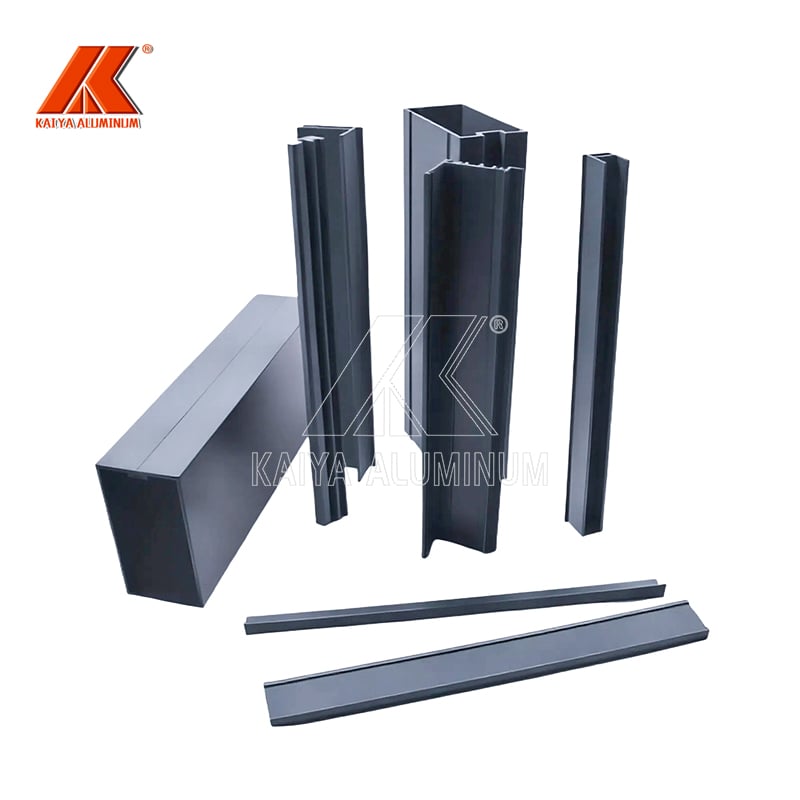
The integration of powder coated aluminum into green building strategies addresses multiple sustainability criteria, from material sourcing to end-of-life recyclability. Modern architectural projects demand finishes that maintain visual integrity while supporting environmental certifications such as LEED and BREEAM. Powder coated aluminum meets these requirements through a combination of technical properties and ecological benefits that make it indispensable for contemporary sustainable construction. This material enables designers to achieve complex geometries and custom color specifications without sacrificing environmental performance, positioning powder coated aluminum as a cornerstone of responsible architectural practice.
Environmental Advantages of Powder Coated Aluminum in Green Construction
Zero Volatile Organic Compound Emissions During Application
The powder coating process distinguishes itself from liquid paint systems by eliminating solvent-based carriers that release volatile organic compounds into the atmosphere. Powder coated aluminum production facilities capture and reuse overspray powder, achieving near-zero waste during application. This closed-loop system reduces environmental impact while maintaining consistent coating thickness across complex aluminum extrusion profiles. Electrostatic charging ensures powder particles adhere uniformly to aluminum surfaces before heat curing, creating a molecular bond that surpasses conventional paint adhesion. The absence of VOCs makes powder coated aluminum suitable for projects targeting strict indoor air quality standards, particularly in healthcare facilities and educational institutions where occupant health remains paramount.
Infinite Recyclability Without Material Degradation
Aluminum retains full structural integrity through repeated recycling cycles, allowing powder coated aluminum components to be reclaimed and reprocessed indefinitely. The powder coating layer separates cleanly during the melting process, enabling aluminum recovery without contamination. This circular material economy reduces primary aluminum production demand, which typically requires substantial energy input. Powder coated aluminum curtain wall systems dismantled from aging buildings can be melted and reformed into new architectural profiles without performance loss. Construction projects specifying powder coated aluminum demonstrate commitment to resource conservation while securing long-term material value that persists beyond initial building use.
Performance Characteristics That Support Sustainable Building Goals
Thermal Efficiency Through Reflective Surface Properties
Powder coated aluminum surfaces reflect solar radiation more effectively than many alternative cladding materials, reducing heat absorption that would otherwise increase cooling loads. Light-colored powder coated aluminum finishes can achieve solar reflectance values exceeding 0.70, directly contributing to lower building energy consumption. This thermal performance becomes particularly valuable in curtain wall applications where exterior surfaces represent significant envelope area. The stable pigmentation of powder coated aluminum maintains reflective properties over decades, unlike painted finishes that fade and lose effectiveness. Architects specify powder coated aluminum to meet energy codes while achieving desired aesthetic outcomes, integrating passive cooling strategies into building envelope design.
Durability That Extends Building Lifecycle and Reduces Replacement Frequency
The molecular fusion between powder coating and aluminum substrate creates a protective barrier resistant to corrosion, UV degradation, and mechanical damage. Powder coated aluminum installations routinely exceed 30-year service lives with minimal maintenance, reducing the environmental burden associated with frequent material replacement. This longevity proves essential for sustainable architecture, where embodied carbon calculations favor durable materials that delay renovation cycles. Coastal and industrial environments that accelerate material deterioration find powder coated aluminum particularly valuable, as the finish withstands salt spray and chemical exposure without requiring protective recoating. The extended performance timeline of powder coated aluminum reduces lifecycle costs while minimizing waste generation from premature component failure.
Design Flexibility Enabling Innovative Eco-Friendly Solutions
Custom Color Matching for Biophilic Design Integration
Powder coating technology offers virtually unlimited color customization, allowing powder coated aluminum to harmonize with natural surroundings or complement vegetation-rich facades. Earth tones and nature-inspired palettes applied to powder coated aluminum support biophilic design principles that connect building occupants with outdoor environments. The color stability of powder coated aluminum ensures that carefully selected hues maintain their intended appearance throughout building operation, preserving design intent. Architects leverage this chromatic flexibility to create gradient effects and subtle color transitions across powder coated aluminum panel arrays, enhancing visual interest without introducing additional materials. The ability to match specific environmental contexts positions powder coated aluminum as a responsive medium for place-based sustainable architecture.
Complex Geometries Supporting High-Performance Envelope Systems
Modern extrusion capabilities combined with powder coating finishing enable powder coated aluminum profiles to assume intricate cross-sectional shapes that optimize thermal performance. Deep cavities within powder coated aluminum framing members accommodate high-performance glazing systems and insulation materials, creating thermally broken assemblies with minimal thermal bridging. The dimensional precision of extruded powder coated aluminum ensures tight tolerances critical for air barrier continuity, reducing infiltration losses that compromise building energy efficiency. These technical capabilities allow powder coated aluminum curtain wall systems to meet passive house standards while maintaining slender sightlines valued by contemporary architectural aesthetics. The marriage of form and function in powder coated aluminum exemplifies how sustainable materials can elevate rather than constrain design ambition.
FAQ
How does powder coated aluminum compare to anodized aluminum in terms of environmental impact?
Powder coated aluminum generates fewer hazardous waste streams than anodized aluminum, as the anodizing process requires sulfuric acid baths and produces metal-contaminated wastewater. The powder coating application recycles unused material, achieving higher transfer efficiency than chemical anodizing. Both finishes protect aluminum effectively, but powder coated aluminum offers greater color range and easier repair procedures. Environmental assessments favor powder coated aluminum when evaluating cradle-to-gate impacts, though both options support aluminum recyclability. Project-specific factors such as required corrosion resistance and aesthetic preferences should guide material selection between powder coated aluminum and anodized alternatives.
Can powder coated aluminum achieve LEED credits for sustainable building certification?
Powder coated aluminum contributes to multiple LEED credit categories, including Materials and Resources credits for recycled content and regional materials when sourced appropriately. The low-VOC characteristics of powder coated aluminum support Indoor Environmental Quality credits by eliminating off-gassing typical of solvent-based finishes. Energy performance benefits from reflective powder coated aluminum surfaces can contribute to Energy and Atmosphere credits when properly documented in building energy models. Specifying powder coated aluminum with third-party environmental product declarations provides transparency needed for LEED Material Ingredients credits. The durability and recyclability of powder coated aluminum align with circular economy principles increasingly valued in green building rating systems beyond LEED.
What maintenance practices maximize the environmental benefits of powder coated aluminum installations?
Regular cleaning with pH-neutral detergents and soft brushes preserves powder coated aluminum appearance while avoiding harsh chemicals that create environmental disposal concerns. Annual inspections identify minor damage early, allowing localized powder coated aluminum repairs that prevent progressive deterioration. Avoiding abrasive cleaning methods protects the powder coated aluminum finish integrity, extending service life and delaying replacement needs. Strategic touch-up applications using compatible powder coating materials maintain protective coverage without requiring complete refinishing of powder coated aluminum components. These low-intensity maintenance protocols support the inherent sustainability of powder coated aluminum by maximizing material lifespan with minimal resource input.