
 EN
EN



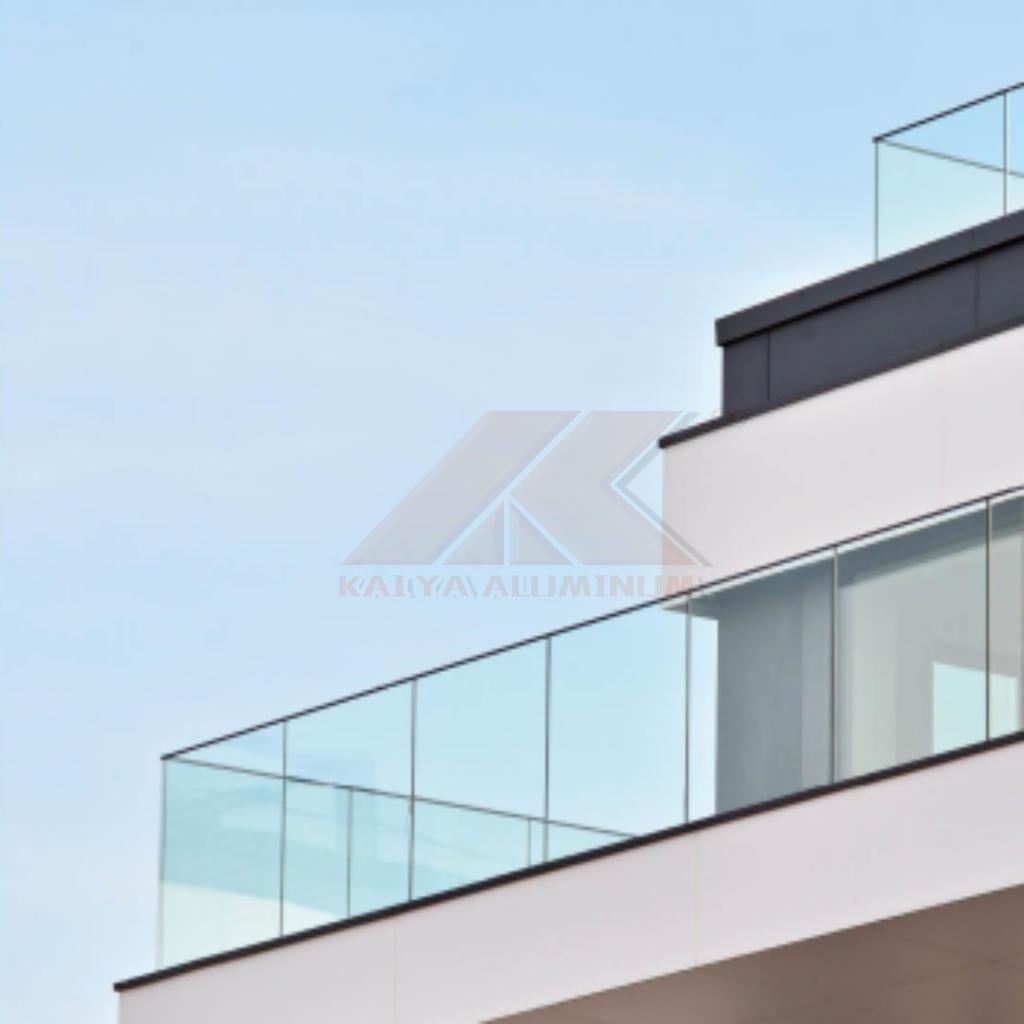
Modern office environments demand architectural solutions that balance aesthetic appeal with functional performance, and aluminium glass windows have emerged as the definitive answer to this dual requirement. These innovative glazing systems are fundamentally changing how commercial spaces are designed, constructed, and experienced by occupants. The transformation driven by aluminium glass windows extends far beyond surface-level improvements, touching every aspect of workplace functionality from energy consumption to employee wellbeing. Understanding why aluminium glass windows are revolutionizing offices requires examining the unique convergence of material science, architectural innovation, and evolving workplace needs that these systems address so effectively.
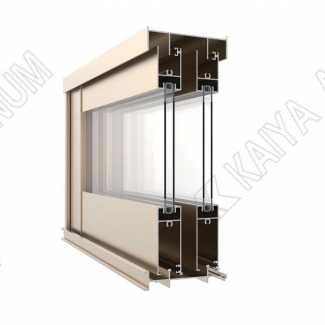
The revolution created by aluminium glass windows stems from their ability to solve longstanding challenges in commercial architecture while introducing capabilities that were previously unattainable. Traditional office window systems often forced designers to compromise between structural integrity and visual transparency, between thermal performance and natural light admission, or between maintenance practicality and design sophistication. Aluminium glass windows eliminate these compromises through advanced engineering that integrates slender aluminium profiles with expansive glass panels, creating systems that excel across all performance dimensions simultaneously. This comprehensive capability explains why aluminium glass windows are rapidly becoming the standard specification for forward-thinking office developments worldwide.
The Structural Innovation Behind Aluminium Glass Windows
Material Properties That Enable Revolution
The revolutionary impact of aluminium glass windows begins with the exceptional material properties of aluminium alloys specifically engineered for architectural applications. These advanced alloys deliver strength-to-weight ratios that allow aluminium glass windows to support large glass panels using remarkably slender frames, creating the visual effect of nearly frameless transparency while maintaining structural integrity that meets rigorous building codes. The inherent corrosion resistance of aluminium glass windows ensures performance stability across decades of service, even in challenging environmental conditions including coastal locations with salt exposure or urban settings with atmospheric pollutants. Aluminium glass windows achieve thermal efficiency through specialized thermal break technology that interrupts heat transfer pathways within the frame assembly, enabling these systems to meet stringent energy codes without sacrificing the slim profile aesthetics that make aluminium glass windows so architecturally desirable.
Engineering Systems for Maximum Performance
The engineering sophistication embedded in contemporary aluminium glass windows represents a quantum leap beyond conventional window technology. Modern aluminium glass windows incorporate multi-chamber frame designs that create internal air pockets serving as thermal insulators, while precision-machined gasket channels ensure weather-tight seals that prevent air and water infiltration. The glazing systems used in aluminium glass windows have evolved to include high-performance glass options such as low-emissivity coatings, argon or krypton gas fills, and even dynamic electrochromic glass that adjusts tint in response to sunlight intensity. These technological integrations mean that aluminium glass windows can simultaneously maximize natural daylight, minimize solar heat gain, reduce acoustic transmission, and enhance occupant comfort through precise environmental control.
Transforming Office Environments Through Design Flexibility
Architectural Freedom and Aesthetic Impact
Aluminium glass windows are revolutionizing office design by providing architects with unprecedented freedom to create transparent, light-filled spaces that were structurally impossible with previous window technologies. The slim sightlines achievable with aluminium glass windows allow designers to create floor-to-ceiling glazing systems that blur boundaries between interior and exterior, fundamentally changing how office occupants experience their workspace. Aluminium glass windows can be configured into virtually any geometric arrangement, from traditional rectangular units to complex angular compositions, curved facades, and even overhead skylights, enabling architectural visions that align with contemporary workplace culture emphasizing openness and connectivity. The finish versatility of aluminium glass windows extends design flexibility further, with powder coating technology offering unlimited color options and surface textures ranging from matte to metallic, allowing these systems to complement any architectural style from industrial modern to refined corporate elegance.
Natural Light Optimization and Wellbeing
The impact of aluminium glass windows on workplace wellbeing represents one of the most significant aspects of their revolutionary influence on office environments. Research consistently demonstrates that access to natural daylight improves employee mood, productivity, and circadian rhythm regulation, and aluminium glass windows maximize daylight penetration through their ability to accommodate expansive glass areas with minimal frame obstruction. The transparency provided by aluminium glass windows creates visual connections to outdoor environments that reduce psychological stress and combat the isolation often experienced in enclosed office settings. Advanced aluminium glass windows incorporate glare control technologies and daylight harvesting integration that optimize natural light distribution throughout the day, reducing reliance on artificial lighting while maintaining visual comfort for computer-based work tasks.
Operational and Economic Advantages Driving Adoption
Energy Performance and Sustainability
The energy efficiency delivered by modern aluminium glass windows directly addresses one of the most pressing concerns in commercial real estate: operating cost reduction and environmental impact mitigation. High-performance aluminium glass windows can achieve thermal transmittance values that rival or exceed solid wall assemblies, dramatically reducing heating and cooling loads and the associated energy consumption. The daylighting optimization enabled by aluminium glass windows creates additional energy savings by reducing artificial lighting requirements during occupied hours, with integrated building systems adjusting electric lighting output based on available natural light levels. The embodied energy profile of aluminium glass windows benefits from aluminium's infinite recyclability, with recycled aluminium requiring only five percent of the energy needed to produce primary aluminium, making aluminium glass windows a sustainable choice that supports corporate environmental responsibility objectives and green building certification requirements.
Durability and Maintenance Economics
The long-term economic case for aluminium glass windows strengthens considerably when lifecycle costs are properly evaluated rather than focusing solely on initial installation expenses. Aluminium glass windows deliver exceptional durability, maintaining structural integrity and operational performance across service lives exceeding fifty years with appropriate maintenance. Unlike alternative frame materials, aluminium glass windows resist warping, rotting, and degradation from moisture exposure or temperature fluctuations, eliminating the periodic replacement costs associated with less durable window systems. The maintenance requirements for aluminium glass windows remain minimal, typically limited to routine cleaning and periodic hardware adjustment, with the inherent corrosion resistance of aluminium eliminating the painting or refinishing cycles required by other materials. These durability characteristics mean that aluminium glass windows represent a genuine long-term investment rather than a recurring expense item in facility management budgets.
FAQ
What makes aluminium glass windows more suitable for offices than traditional window systems?
Aluminium glass windows excel in office applications because they combine structural strength with aesthetic refinement, allowing for expansive glass areas that maximize natural light while maintaining energy efficiency through advanced thermal break technology and high-performance glazing options. The slim profiles of aluminium glass windows create modern, professional appearances that align with contemporary office design trends, while their durability and low maintenance requirements reduce long-term facility management costs. Additionally, aluminium glass windows offer superior acoustic performance that helps manage noise transmission in urban office locations, and their design flexibility accommodates the varied architectural requirements of different office building types from low-rise corporate campuses to high-rise towers.
How do aluminium glass windows contribute to energy efficiency in office buildings?
Aluminium glass windows achieve energy efficiency through multiple integrated technologies including thermally broken frame designs that interrupt heat transfer pathways, high-performance glazing systems with low-emissivity coatings and inert gas fills that reduce thermal conductivity, and precision weather sealing that eliminates air leakage. The expansive daylight admission enabled by aluminium glass windows reduces dependence on artificial lighting, which typically accounts for significant portions of office energy consumption, while advanced solar control glazing options in aluminium glass windows manage heat gain without sacrificing natural light quality. When properly specified, aluminium glass windows can contribute substantially to achieving energy code compliance and green building certifications while reducing operational expenses throughout the building lifecycle.
Are aluminium glass windows cost-effective for office renovation projects?
Aluminium glass windows represent a cost-effective investment for office renovations when evaluated on a lifecycle basis rather than initial cost alone. While high-performance aluminium glass windows may carry higher upfront costs than basic alternatives, they deliver returns through reduced energy consumption, minimal maintenance requirements, enhanced property values, and improved tenant satisfaction and retention. The installation efficiency of aluminium glass windows, which can often be accomplished with minimal disruption to occupied spaces, reduces the indirect costs associated with renovation projects. Additionally, the transformative aesthetic impact of aluminium glass windows can reposition older office properties in competitive rental markets, potentially justifying premium lease rates that provide attractive returns on the renovation investment over time.