
 EN
EN




Choosing an exterior curtain wall system ranks among the most critical decisions in architectural design and construction planning. An exterior curtain wall serves as the primary weatherproof envelope of your building while maintaining aesthetic appeal and energy efficiency. The selection of an exterior curtain wall directly impacts long-term maintenance costs, occupant comfort, building performance, and structural integrity. Understanding the key considerations for selecting an exterior curtain wall ensures your investment delivers both functional reliability and visual distinction for decades to come.
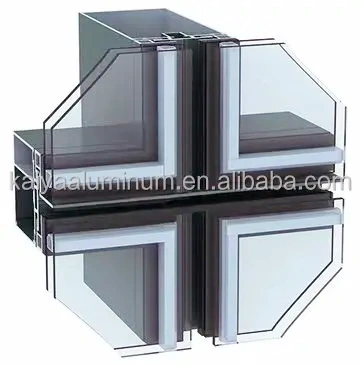
The process of selecting an exterior curtain wall requires evaluating multiple technical and commercial factors simultaneously. Building owners, architects, and project managers must balance performance requirements with budget constraints, schedule demands, and local regulatory compliance. An exterior curtain wall represents a substantial capital investment, yet poor selection decisions often result in operational challenges, emergency repairs, and tenant dissatisfaction. This guide walks you through the essential criteria for evaluating exterior curtain wall options and making a selection that aligns with your project's unique requirements.
Material Composition and Performance Characteristics
Aluminum Frame Selection for Exterior Curtain Wall Systems
The frame material of your exterior curtain wall fundamentally determines its structural behavior, thermal properties, and aesthetic flexibility. Aluminum serves as the industry standard for exterior curtain wall frames due to its strength-to-weight ratio, corrosion resistance, and design versatility. When evaluating an exterior curtain wall aluminum frame, specify alloy grades that meet or exceed regional structural codes and wind load requirements. The aluminum profile thickness, reinforcement ribs, and thermal break design all influence how your exterior curtain wall performs under extreme weather conditions and thermal cycling. Premium-grade aluminum in an exterior curtain wall system resists salt spray degradation, maintains dimensional stability over decades, and supports virtually unlimited architectural expressions.
Glazing Systems and Glass Performance
The glazing specification forms the transparent face of your exterior curtain wall and directly controls solar heat gain, daylighting, acoustic performance, and safety. Double-glazed units remain standard for most exterior curtain wall applications, while triple-glazed units offer superior thermal resistance in cold climates. Low-emissivity coatings, dynamic tinting capabilities, and laminated glass options each serve specific performance needs within an exterior curtain wall system. The structural sealants bonding glass to the aluminum frame of your exterior curtain wall must resist UV degradation, accommodate thermal movement, and maintain watertight integrity for 20+ years. Specifying high-performance glazing in an exterior curtain wall increases initial material costs but recovers the investment through reduced heating and cooling expenses throughout the building's operational life.
Thermal Performance and Energy Efficiency
Thermal Break Technology in Curtain Wall Design
Thermal performance directly affects occupant comfort and operational energy budgets, making it a primary consideration when selecting an exterior curtain wall. Modern exterior curtain wall systems incorporate polyamide or similar insulating materials positioned between interior and exterior aluminum sections to interrupt heat transfer. The thermal break in an exterior curtain wall typically reduces thermal transmittance by 30 to 50 percent compared to non-insulated aluminum profiles. U-values and solar heat gain coefficients become critical specification parameters when evaluating an exterior curtain wall for your specific climate zone and building type. Buildings in northern climates prioritize U-value performance in their exterior curtain wall selection, while southern locations emphasize solar control and shade management capabilities within the exterior curtain wall assembly.
Air Tightness and Moisture Management
An exterior curtain wall must function as a complete weather barrier, preventing air infiltration and water intrusion that compromise indoor environmental quality. The air tightness rating of your exterior curtain wall directly influences heating and cooling loads, with higher-performance systems reducing infiltration losses by 70 to 90 percent. Water management design in an exterior curtain wall diverts rain to the exterior through drainage cavities rather than allowing moisture to accumulate within the system. Pressure-equalized design principles applied to an exterior curtain wall reduce stress on sealants and improve long-term water resistance. Testing certification standards such as ASTM E330 and ASTM E331 validate the air and water performance of your exterior curtain wall before installation begins on site.
Installation, Maintenance, and Long-Term Durability
Installation Methods and Site Coordination
The installation methodology for your exterior curtain wall significantly influences both project schedule and long-term system performance. Stick-built exterior curtain wall systems assemble frame members and glazing sequentially at the facade, offering flexibility but requiring skilled on-site coordination. Unit-and-mullion exterior curtain wall systems pre-assemble larger modules in controlled factory environments before hoisting them into place, improving quality control and reducing weather exposure. The choice between these methodologies for your exterior curtain wall affects labor costs, schedule compression capability, and weather protection during construction. Proper installation sequencing, sealant application timing, and quality verification protocols ensure your exterior curtain wall performs as designed throughout its 30 to 50 year service life.
Maintenance Access and System Durability
Long-term maintenance accessibility and design durability must inform your exterior curtain wall selection from the earliest planning stages. An exterior curtain wall incorporating features such as accessible pressure plates, modular gasket designs, and corrosion-resistant fasteners reduces future repair costs and operational disruptions. Glazing replacement in an exterior curtain wall should remain feasible throughout the building's life without requiring structural modifications or system redesign. Aluminum finish specifications for your exterior curtain wall frame, whether anodized or painted, directly influence maintenance frequency and 20-year lifecycle costs. Regular facade inspections, sealant renewal cycles, and component replacements planned into your building operations budget allow an exterior curtain wall to function reliably without emergency repairs or safety risks.
FAQ
What performance standards should I verify when selecting an exterior curtain wall system?
Verify that your exterior curtain wall meets ASTM E330 (structural), ASTM E331 (water resistance), ASTM E283 (air tightness), and local building code wind load requirements. Request third-party laboratory test reports documenting the performance of your specific exterior curtain wall configuration. Thermal performance should be verified through NFRC ratings that document U-values and solar heat gain for your glazing and frame combination within the exterior curtain wall assembly.
How do I determine the optimal thermal break design for my exterior curtain wall?
Your climate zone and building heating/cooling demands determine the appropriate thermal break specification for your exterior curtain wall. Consult ASHRAE climate data and energy modeling results to identify the U-value target that optimizes your exterior curtain wall selection for lifecycle energy costs. Thicker thermal breaks in the exterior curtain wall improve thermal performance but increase frame width, affecting available glass area and design aesthetics.
What factors should influence my choice between stick-built and unit-and-mullion exterior curtain wall systems?
Schedule urgency, quality control priorities, and site logistics should guide your exterior curtain wall installation methodology selection. Unit-and-mullion exterior curtain wall systems reduce weather exposure and improve quality consistency for high-rise projects. Stick-built exterior curtain wall systems offer greater design flexibility and smaller initial mobilization costs for lower-rise applications or complex architectural geometries requiring frequent customization.