
 EN
EN



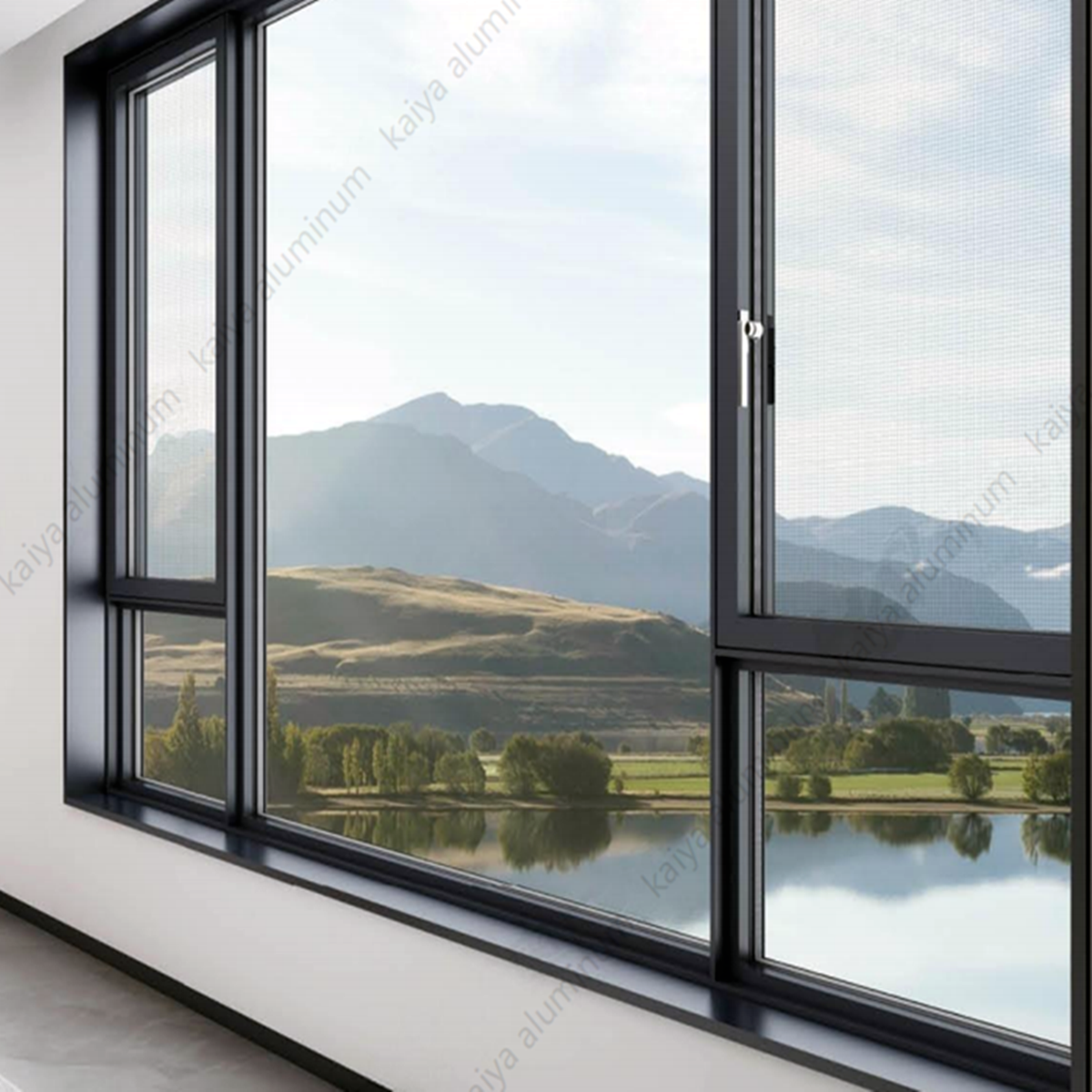
Thermal break windows represent a fundamental advancement in building envelope technology that directly addresses one of the most significant sources of energy loss in modern structures. Whether you're designing a new residential property, retrofitting an existing commercial space, or evaluating window replacement options, understanding thermal break windows and their strategic importance can dramatically influence your long-term operational costs, occupant comfort, and environmental impact. These specialized window systems incorporate a layer of insulating material between the interior and exterior aluminum frames, creating a thermal barrier that fundamentally transforms how heat and cold transfer through your building's perimeter.
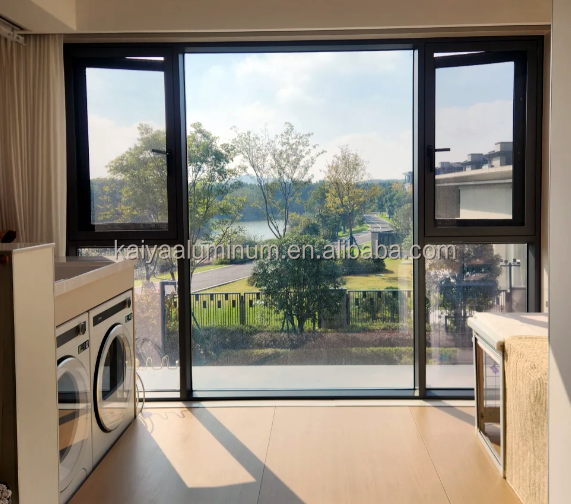
The concept behind thermal break windows is elegantly simple yet remarkably effective: by interrupting the conductive pathway that allows temperature to flow directly from outside to inside, thermal break windows reduce the phenomenon known as 'thermal bridging,' where metal frames traditionally conduct external temperatures directly into interior spaces. This disruption of thermal transfer is not merely a technical refinement; it represents a proven strategy that has become standard in climate-conscious architecture across residential, commercial, and industrial sectors worldwide.
Understanding Thermal Break Window Design and Construction
The Core Mechanism of Thermal Break Technology
Thermal break windows function through a carefully engineered separation within the frame itself. The aluminum frames that form thermal break windows are deliberately split into two distinct sections: an exterior aluminum profile exposed to outdoor weather conditions and an interior aluminum profile that faces the building's climate-controlled space. These two aluminum sections are connected only by a thin strip of polyamide, fiberglass, or other thermally insulating material that acts as a buffer zone. When thermal break windows are manufactured to precision specifications, this insulating strip creates a complete interruption in the aluminum's thermal conductivity, effectively reducing heat transfer by up to 70 percent compared to traditional aluminum frames without this thermal break.
Material Composition in Thermal Break Window Systems
The performance of thermal break windows depends critically on the quality and properties of both the aluminum components and the thermal break material itself. High-performance thermal break windows typically use polyamide as the primary insulating material because it offers an optimal balance of thermal resistance, structural strength, and durability under temperature cycling. When thermal break windows are specified for demanding climates or commercial applications, engineers often select reinforced polyamide or fiberglass thermal breaks that provide even greater resistance to thermal conductivity. The glazing units within thermal break windows are typically filled with argon or krypton gas and separated by warm-edge spacers, creating a multi-layer insulation system that works in concert with the thermal break frame design to achieve superior thermal performance compared to standard windows.
Why Thermal Break Windows Matter for Building Performance
Energy Efficiency and Operational Cost Reduction
The primary reason thermal break windows matter is their direct impact on building energy consumption and operational costs. Buildings lose substantial amounts of conditioned air through their window assemblies, and thermal break windows dramatically reduce this loss by eliminating the direct metal-to-metal thermal pathway. In heating-dominant climates, thermal break windows prevent precious interior heat from conducting directly through aluminum frames to the cold exterior. In cooling-dominant climates, they block external heat from traveling through frames into air-conditioned interiors. Across a building with hundreds or thousands of windows, the cumulative effect of thermal break windows translates into measurable reductions in HVAC system runtime, lower utility bills, and faster payback periods on window replacement investments. Commercial property owners have documented energy savings ranging from 15 to 30 percent after retrofitting with thermal break windows, depending on climate zone, building orientation, and window-to-wall ratios.
Occupant Comfort and Interior Climate Control
Beyond energy costs, thermal break windows matter because they directly influence indoor comfort conditions. Traditional aluminum windows without thermal breaks create cold spots on interior surfaces during winter months; occupants near these windows experience radiant cold even when ambient room temperature feels comfortable. Thermal break windows eliminate these uncomfortable zones by maintaining interior surface temperatures closer to room air temperatures, creating more uniform comfort conditions throughout occupied spaces. Additionally, thermal break windows reduce the tendency for condensation to form on interior glass surfaces, which occurs when cold window surfaces cool air to its dew point. By maintaining warmer interior surfaces, thermal break windows prevent this moisture accumulation, reducing the risk of mold growth, corrosion of interior frames, and the associated health concerns and maintenance requirements that accompany chronic condensation problems.
Thermal Break Windows in Real-World Building Applications
Residential Implementation and Performance Benefits
In residential construction, thermal break windows have become particularly valuable in high-performance home designs, passive house standards, and climate-conscious renovation projects. Residential applications benefit significantly from thermal break windows because living spaces typically maintain consistent interior temperatures, making any thermal bridging through window frames directly noticeable to occupants. When homeowners upgrade to thermal break windows, they frequently report immediate improvements in room comfort consistency, elimination of cold drafts near windows, and reduced heating system cycling during cold weather. Residential thermal break windows also provide acoustic benefits; the thermal break material helps dampen sound transmission, providing superior noise isolation compared to traditional aluminum frames, which is particularly valuable in urban residential settings or properties near transportation corridors.
Commercial and Institutional Applications
Commercial buildings and institutional facilities prioritize thermal break windows for their long-term economic performance and compliance with increasingly stringent energy codes. Office buildings, retail facilities, hospitality properties, and institutional structures all benefit from the operational cost reduction that thermal break windows provide over their service lifetime, typically 30 to 40 years. Commercial thermal break windows often incorporate additional performance features such as superior structural silicone sealing, enhanced drainage systems, and integrated solar control options that allow occupants to manage radiant heat gain while maintaining thermal continuity. When thermal break windows are specified with high-performance glazing and proper installation practices, commercial buildings achieve measurable improvements in energy certification ratings, which increasingly influences property valuations, tenant attraction, and insurance premiums in today's climate-conscious real estate market.
FAQ
What is the typical cost premium for thermal break windows compared to standard aluminum windows?
Thermal break windows typically cost 15 to 25 percent more than standard aluminum windows at the time of purchase, depending on frame depth, customization complexity, and order volume. However, when calculated over the building's operational lifetime, thermal break windows typically achieve full cost recovery through energy savings within 5 to 10 years, and continue providing operational cost benefits for decades thereafter. The actual payback period varies based on climate zone, energy costs, and building usage patterns, but the long-term financial advantage of thermal break windows is well-documented across residential and commercial applications.
How do thermal break windows perform in extreme climate conditions?
Thermal break windows are specifically engineered to perform reliably in extreme climate conditions, whether arctic cold, intense heat, or rapid temperature cycling. The polyamide and fiberglass thermal break materials used in high-quality thermal break windows maintain their structural integrity through repeated temperature extremes that would degrade inferior materials. In fact, the most demanding climate applications, such as high-altitude installations or arctic facilities, typically specify thermal break windows precisely because they maintain consistent thermal performance where traditional aluminum frames would develop stress fractures or thermal fatigue failures.
Can existing buildings be retrofitted with thermal break windows?
Yes, existing buildings are excellent candidates for thermal break windows retrofit projects, provided that the window opening dimensions remain consistent or can be accommodated through minor structural modifications. Many commercial retrofits specifically target thermal break windows because they deliver measurable energy and comfort improvements without requiring building system modifications. Residential retrofit projects also commonly specify thermal break windows during renovation cycles, and the installation process is typically straightforward for professional window contractors experienced with thermal break window systems and proper sealing and insulation procedures.