
 EN
EN



A unitised curtain wall represents one of the most significant advances in modern building envelope technology. This integrated system combines multiple components—aluminium framing, glazing, seals, and insulation—into prefabricated modules that are assembled off-site and then installed directly onto a building's structural frame. Understanding what a unitised curtain wall is and why it matters has become essential for architects, contractors, and facility managers who need to balance performance, cost, and construction timelines in today's competitive building market.
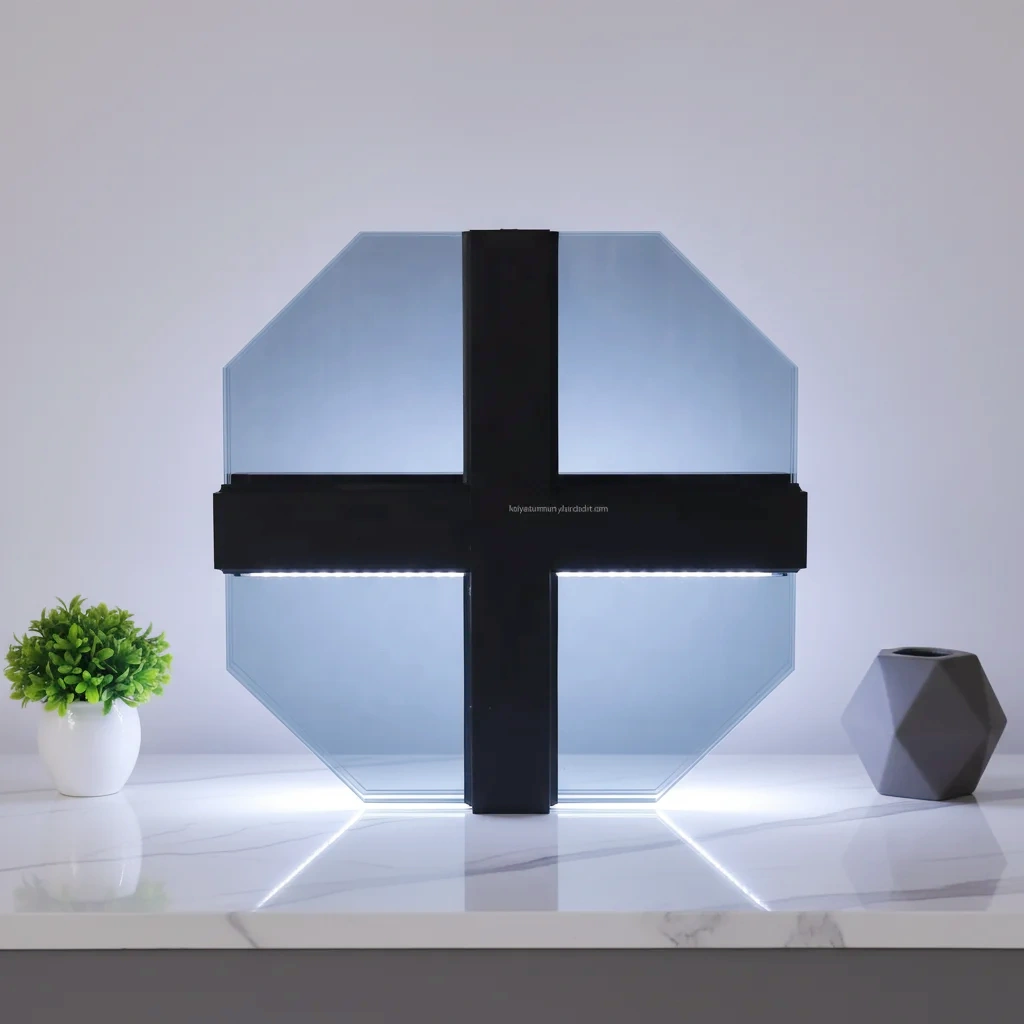
The unitised curtain wall differs fundamentally from traditional stick-built systems because the entire panel—including frame, glass, and weatherproofing—arrives at the job site as a complete, factory-tested unit. This approach transforms how buildings are constructed, dramatically improving quality control, reducing on-site labour, and accelerating project schedules. For developers and building owners, a unitised curtain wall delivers measurable advantages in energy efficiency, durability, and long-term maintenance costs.
How a Unitised Curtain Wall System Works
Component Assembly and Factory Integration
A unitised curtain wall system is engineered as a complete module before it ever leaves the manufacturing facility. The typical unitised curtain wall consists of an aluminium frame that holds dual or triple-glazed units, thermal breaks, weatherseals, and sometimes integrated shading devices. Each unitised curtain wall panel is individually tested for air tightness, water resistance, and structural integrity before shipment. This factory assembly ensures that every unitised curtain wall meets design specifications consistently, eliminating the variability that can occur during on-site installation of individual components.
Installation and Building Integration
Once delivered to the construction site, a unitised curtain wall is fastened to the building's primary structure using anchor points that were designed during the planning phase. The unitised curtain wall panels are typically installed from bottom to top, with each module locked into place and sealed at the connections where units meet. Because a unitised curtain wall is pre-assembled, installation speed increases significantly compared to stick-built alternatives, which require glaziers to install glass and frame components individually on scaffolding. The sealed connections between adjacent unitised curtain wall panels create a continuous, weathertight envelope that performs predictably across the entire facade.
Why a Unitised Curtain Wall Matters for Building Performance
Energy Efficiency and Thermal Control
A unitised curtain wall delivers superior thermal performance because thermal breaks, gaskets, and seals are installed and tested in a controlled factory environment. This precision assembly means that a unitised curtain wall minimises thermal bridging—the unwanted transfer of heat through the frame—which reduces HVAC load and lowers energy consumption. Buildings fitted with high-performance unitised curtain wall systems often achieve significant reductions in heating and cooling costs throughout their operational life. For facility managers, a unitised curtain wall that maintains consistent thermal resistance across the entire facade translates into more predictable utility expenses and improved occupant comfort.
Construction Speed and Labour Reduction
The unitised curtain wall approach eliminates months of on-site glazing work. A unitised curtain wall arrives complete, which means crews can install multiple panels per day rather than spending weeks on individual components. Reducing on-site labour not only shortens the critical path of construction schedules but also lowers overall project costs and improves worker safety by minimising work at height. For contractors managing complex projects with tight timelines, a unitised curtain wall system can be the difference between schedule success and costly delays. The factory-to-site logistics of a unitised curtain wall are straightforward, and installation crews need less specialised training than those working with stick-built systems.
Quality, Durability, and Long-Term Value
Factory Quality Control and Consistency
Every unitised curtain wall panel undergoes rigorous factory testing before delivery. This means that air tightness, water resistance, and structural performance are verified under controlled conditions, not after installation when corrections become costly. A unitised curtain wall system manufactured to strict quality standards ensures that the building envelope performs reliably for decades. Because a unitised curtain wall is assembled by skilled technicians in a climate-controlled facility, defects that might slip through during on-site work are caught and corrected before the panels reach the building. For building owners, this quality advantage means fewer callbacks, reduced maintenance during the warranty period, and greater confidence in long-term facade performance.
Maintenance and Lifecycle Cost Advantage
A unitised curtain wall system is designed for accessibility and predictable maintenance. Because the unitised curtain wall is modular, individual panels can be serviced or replaced without disrupting the entire facade. The sealed, factory-tested design of a unitised curtain wall means that maintenance costs remain lower throughout the building's operational life compared to systems with more complex on-site connections. Building managers benefit from the durability of a unitised curtain wall because weatherseals, gaskets, and structural connections are all protected by factory quality assurance. The lifecycle cost of owning a building with a high-quality unitised curtain wall is often lower than buildings using less integrated facade solutions, making it a smart long-term investment.
FAQ
What are the main differences between a unitised curtain wall and a stick-built system?
A unitised curtain wall is pre-assembled in a factory as a complete module, while a stick-built system is assembled on-site from separate components. The unitised curtain wall approach offers better quality control, faster installation, and superior thermal performance because all sealing and assembly happens under factory conditions. A stick-built system offers more flexibility for unusual building geometry but requires more on-site labour and carries higher risk of installation variability.
How does a unitised curtain wall improve construction timelines?
Because a unitised curtain wall arrives complete and tested, installation crews can install multiple panels per day, whereas stick-built systems require weeks of on-site glazing and framing work. A unitised curtain wall eliminates the need for extensive scaffolding and on-site assembly, reducing the number of trades and labour hours required. For projects with tight schedules, a unitised curtain wall can compress the facade construction phase by 30 to 50 percent compared to traditional methods.
What makes a unitised curtain wall more energy-efficient?
A unitised curtain wall is more energy-efficient because thermal breaks, gaskets, and seals are installed and tested in a factory setting, ensuring consistent performance across the entire facade. The factory assembly of a unitised curtain wall minimises thermal bridging and air leakage, which are the main sources of energy loss in building envelopes. A unitised curtain wall with high-performance glazing and proper thermal design can reduce heating and cooling loads significantly compared to poorly sealed stick-built systems.
Why a Unitised Curtain Wall System Matters in Modern Construction
The unitised curtain wall represents a paradigm shift in how buildings achieve performance, aesthetics, and cost-effectiveness. As building codes continue to tighten energy requirements and construction budgets face pressure from inflation and labour shortages, the advantages of a unitised curtain wall system become increasingly compelling. Architects and developers who understand the strategic value of a unitised curtain wall can design buildings that are faster to construct, cheaper to operate, and more durable over their lifetime. The choice to invest in a unitised curtain wall is ultimately an investment in building quality and occupant satisfaction.