
 EN



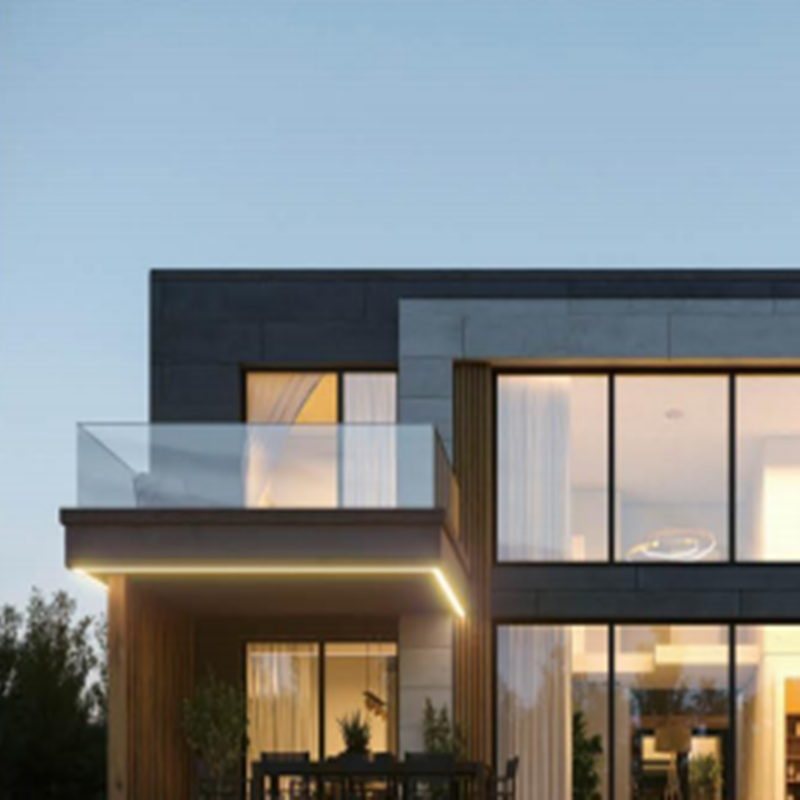
Matching an aluminum railing with a patio canopy involves more than choosing the same color. The design options include coordinated profiles, contrasting finishes, aligned structural lines, and layouts that balance openness with privacy. The right combination makes the aluminum railing feel integrated with the canopy while keeping each element suited to its role.

A useful starting point is to decide whether the railing should blend into the canopy or provide a deliberate visual contrast. Either approach can work, provided the aluminum railing relates to the canopy’s frame, supports, and surrounding architecture. The options below explain how to coordinate appearance, placement, and practical details before finalizing a patio design.
Design languages that create a cohesive appearance
Coordinate profiles and visual lines
A simple way to link the two structures is to repeat their geometry. Pair a canopy with straight, squared supports with an aluminum railing that uses clean vertical pickets or horizontal rails. Repeating those lines gives the patio a deliberate rhythm, while a more ornamental aluminum railing can soften a canopy with curved or traditional details.
Scale matters as much as shape. Thick canopy posts beside very slender railing components can look unbalanced, while oversized railing parts may dominate a light canopy. Compare the visible widths of the aluminum railing posts, top rail, and canopy supports from common viewing angles, and choose proportions that feel related rather than identical.
Designers can also use alignment to make separate components read as one composition. For example, the aluminum railing top rail may follow the canopy fascia line, or railing posts may align with canopy columns where the plan allows. These visual connections work best when they do not interfere with access, circulation, or required clearances.
Choose a finish relationship
Matching finishes creates a quiet, unified look, especially when the canopy frame and aluminum railing are both visible against the building. Select a finish that suits nearby doors, window frames, or exterior trim. Exact color matching is not always necessary; a consistent warm or cool undertone can make different surfaces feel coordinated.
Contrast is another deliberate option. A dark aluminum railing can define the patio edge beneath a lighter canopy, while a pale railing may keep a compact terrace feeling visually open. Consider how sunlight, shade, and the building backdrop change the perceived color before choosing. Review finish samples beside the actual canopy material when possible.
Texture can connect components even when their colors differ. A smooth canopy frame paired with a subtly textured aluminum railing introduces variation without competing patterns. Keep the number of prominent finishes limited, and check how the railing finish relates to paving, wall surfaces, and furniture. The goal is a coherent palette, not a perfect material match.
Layout options for patio use and appearance
Relate railing placement to canopy supports
The canopy footprint helps determine where the aluminum railing should begin and end. A railing that follows the full covered seating area can define a protected outdoor room, while a shorter run can preserve an open approach. Plan gates and entry points around the way people move between the patio, garden, and building.
Where possible, coordinate railing posts with canopy columns without assuming they must share a foundation or structural connection. The aluminum railing and canopy may have different load paths and installation requirements. A project professional should confirm attachment details, substrate capacity, and applicable local requirements before the layout is fixed.
A perimeter arrangement creates a clear boundary, while a partial aluminum railing can frame a dining or lounge zone without enclosing the whole patio. This approach is useful where views, circulation, or service access matter. Sketch the canopy outline and furniture arrangement together so railing sections do not obstruct doors or usable seating space.
Balance openness, screening, and shade
An open-picket aluminum railing maintains sightlines and can complement a canopy designed to provide overhead shade without closing in the sides. Spacing and member orientation affect the visual impression, so compare vertical and horizontal patterns against the canopy’s frame. Confirm that the selected configuration meets applicable safety rules for the site.
For more visual screening, consider denser infill or a panel-style aluminum railing where appropriate. This can help define a private seating area, but it may also change wind exposure and the sense of openness. Discuss these effects with the project team, particularly when the patio is elevated or exposed to strong weather.
Canopy coverage and railing infill should be considered together rather than in isolation. Overhead shade can make a closely spaced aluminum railing feel more enclosed, while a highly open railing may preserve a lighter atmosphere beneath a solid cover. Test the proposed combination from inside the patio and from the main exterior approach.
Specification details that make the design workable
Check dimensions, transitions, and access
Before approving a design, compare the aluminum railing height and canopy edge with doors, steps, seating, and views. A visually elegant arrangement can still create awkward transitions if posts land in a walking path or the railing crowds a doorway. Dimensioned drawings help stakeholders review these relationships before fabrication or installation.
At corners and ends, the aluminum railing should appear intentionally finished and connect cleanly with the patio layout. Review corner posts, end conditions, gate positions, and changes in level alongside canopy supports. If the railing turns around a seating area, check that the turn does not create a narrow passage or interfere with furniture movement.
A coordinated drawing set should show both systems in plan and elevation. This makes it easier to identify mismatched heights, visually crowded intersections, or inconsistent spacing. Share the canopy and aluminum railing selections with the relevant design and installation teams so each component is reviewed in context.
Review materials and maintenance expectations
Material compatibility and exposure conditions belong in the design conversation. Ask how the aluminum railing finish is specified for the intended environment and how it should be cleaned and maintained. Also check nearby materials and connection hardware so the completed patio assembly is appropriate for its location and expected use.
The canopy and aluminum railing may have different maintenance needs even when they share a finish color. Confirm recommended cleaning methods, inspection points, and access for routine care. Clear expectations help facilities teams preserve the appearance of both systems and spot loose components or finish damage during normal inspections.
When selecting an aluminum railing, request finish and profile information that can be compared directly with the canopy specification. Review samples in natural light and document the chosen colors, dimensions, and connection assumptions. This reduces ambiguity between design intent and installation, particularly when multiple trades coordinate work on the same patio.
FAQ
Should the aluminum railing match the canopy color?
Not necessarily. A matching aluminum railing creates a unified appearance, while a contrasting finish can define the patio edge. Choose based on the building palette, canopy frame, and desired visual weight, then review samples together in the project’s lighting conditions.
Which railing profile works with a modern patio canopy?
Straight, simple profiles often complement canopies with clean-lined frames, but the right aluminum railing depends on scale and context. Compare post and rail proportions with canopy supports, and consider sightlines, circulation, and local safety requirements before selecting an infill style.
Can the railing posts align with canopy supports?
They can align visually when the site layout allows, creating a more ordered composition. However, an aluminum railing and canopy may require separate structural connections. Have qualified project professionals verify attachment points, clearances, and substrate conditions before treating visual alignment as a construction detail.