 ×
×
Waterproofing is one of the most critical performance factors in building envelope design, directly impacting a structure’s durability, occupant comfort, and long-term value. For modern commercial, residential, and high-rise buildings, aluminum facade waterproofing systems have emerged as the gold standard, offering far more reliable and long-lasting protection than traditional materials like brick, tile, or painted concrete. These systems combine advanced engineering, durable materials, and modular design to create a multi-layered defense against water infiltration, making them ideal for humid, rainy, or storm-prone climates. Below, we break down the core advantages that make aluminum facade waterproofing the preferred choice for today’s construction projects.
1. Engineered Multi-Layer Waterproofing Design: No More Single-Point Failures
Unlike traditional waterproofing methods that rely on a single coating or sealant, aluminum facade systems use a multi-stage, “active and passive” waterproofing strategy to eliminate leaks at the source. The first line of defense is precision-engineered aluminum extrusions, which are manufactured to tight tolerances to minimize gaps between panels. Joints are sealed with high-performance EPDM rubber gaskets and structural silicone sealants, creating a flexible, weather-tight barrier that adapts to thermal expansion and contraction without cracking.
Even if small amounts of water bypass the outer seals, the system includes built-in equalization chambers and integrated drainage channels. These channels guide water safely out of the facade through weep holes, preventing it from pooling inside the wall cavity. This “rain screen” principle ensures that pressure equalizes on both sides of the panel, eliminating the suction effect that can pull water into joints during heavy wind-driven rain. The result is a facade that remains watertight even during typhoons, monsoons, or other extreme weather events.
2. Natural Corrosion Resistance for Long-Term Waterproof Stability
Aluminum is inherently corrosion-resistant, making it an ideal material for exterior applications. Unlike steel, which rusts and weakens when exposed to moisture, aluminum forms a protective oxide layer that prevents further degradation. This natural resistance is enhanced by surface treatments like anodizing, powder coating, or fluoropolymer painting, which create an additional barrier against rain, humidity, and pollutants.
Unlike porous materials such as concrete or stone, aluminum does not absorb water, so it cannot swell, warp, or crack due to moisture damage. This stability ensures that the waterproof seals remain aligned and effective for decades. Even in coastal areas with salt-laden air or industrial zones with acidic rain, aluminum facades maintain their integrity, preventing water from penetrating the building structure.
3. Adaptable to Complex Architectures for Seamless Waterproof Coverage
Modern architecture often features complex shapes, curves, and large glass openings, which can create challenging waterproofing points. Aluminum facade systems are highly customizable, allowing architects to design seamless, continuous waterproof envelopes even for the most intricate designs.
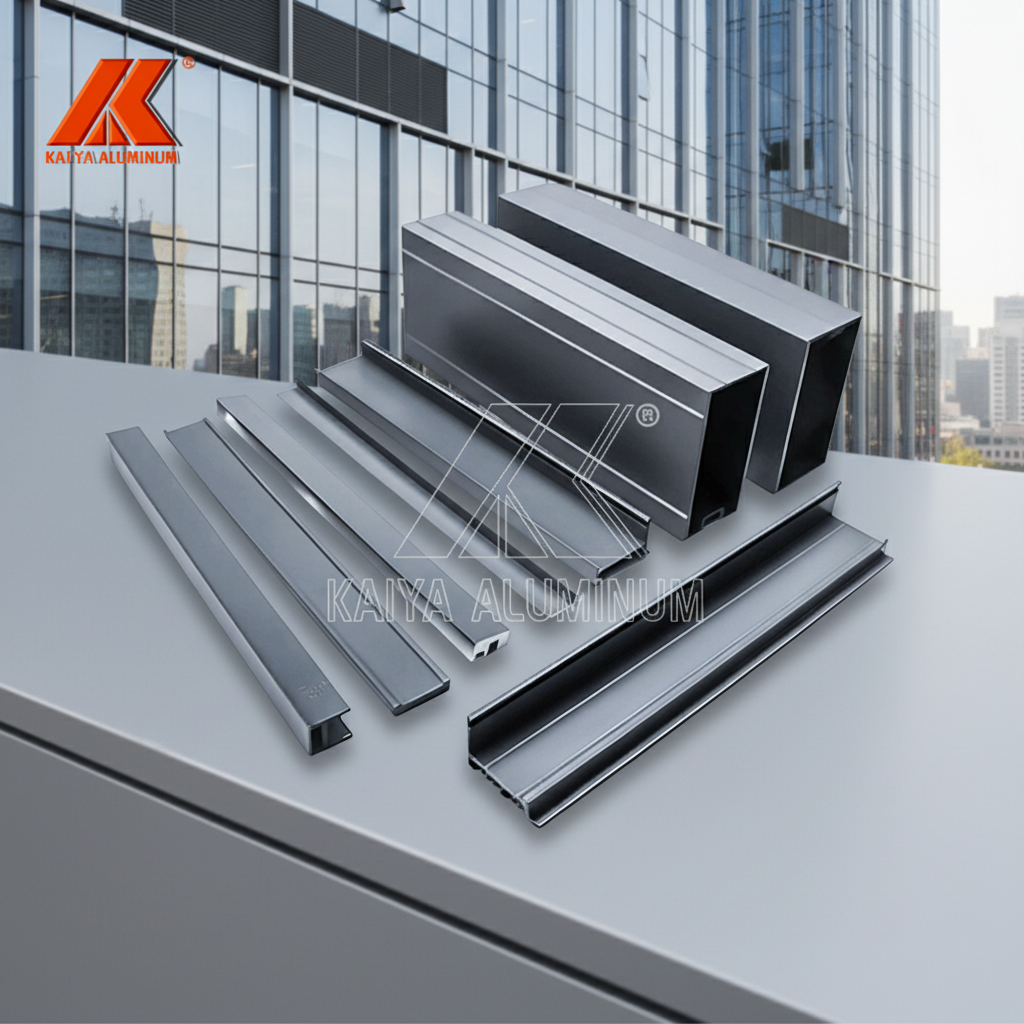
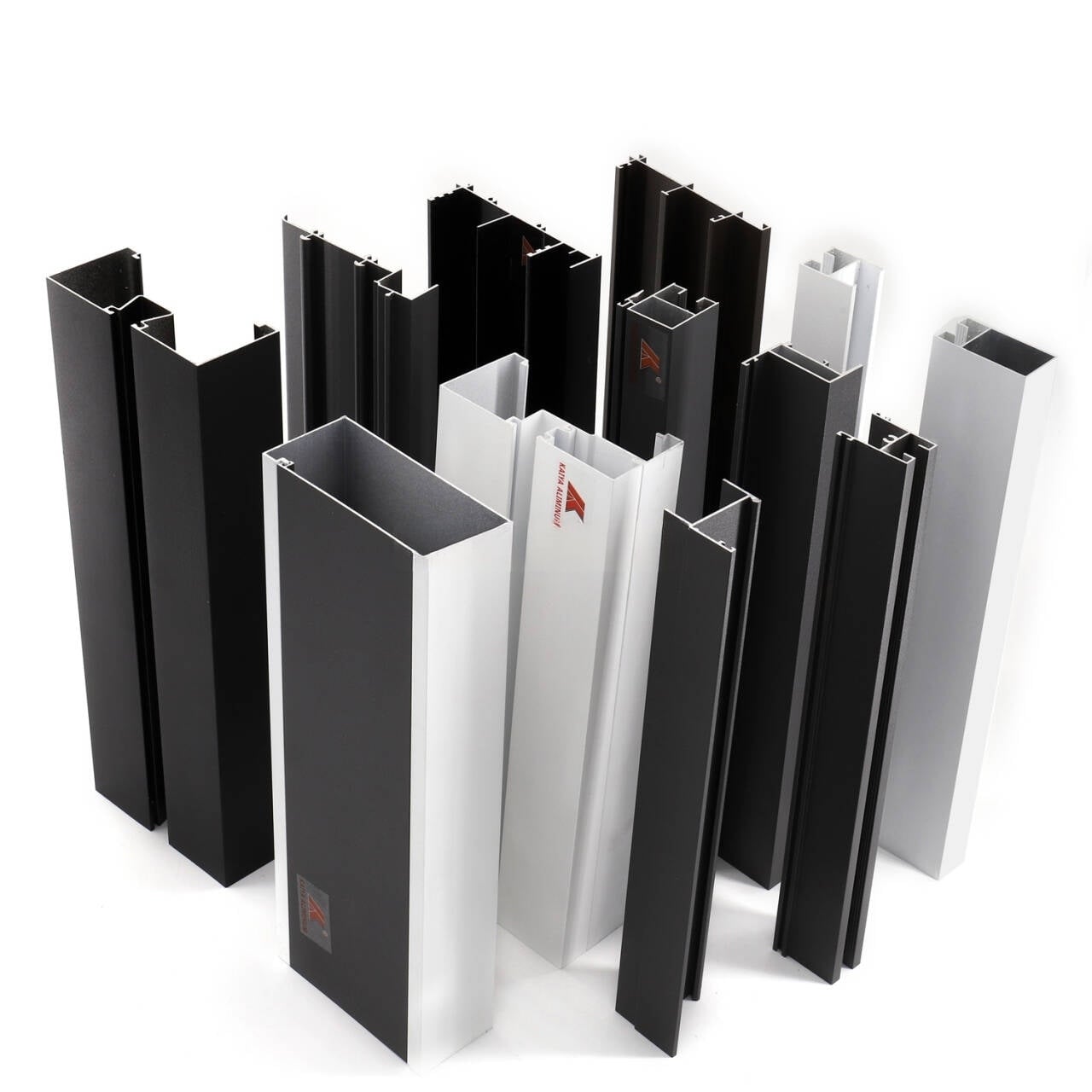
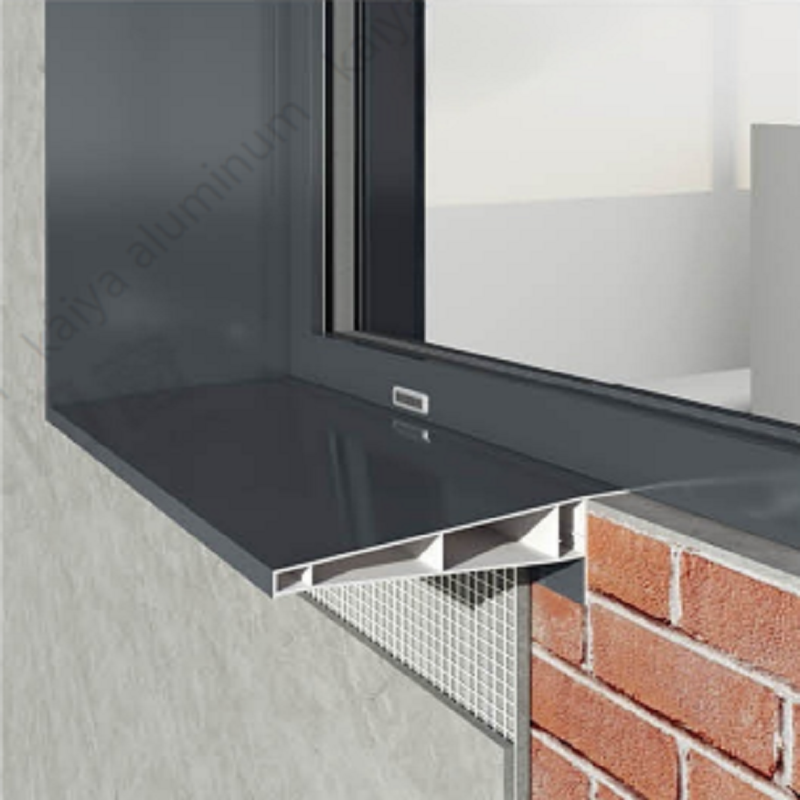
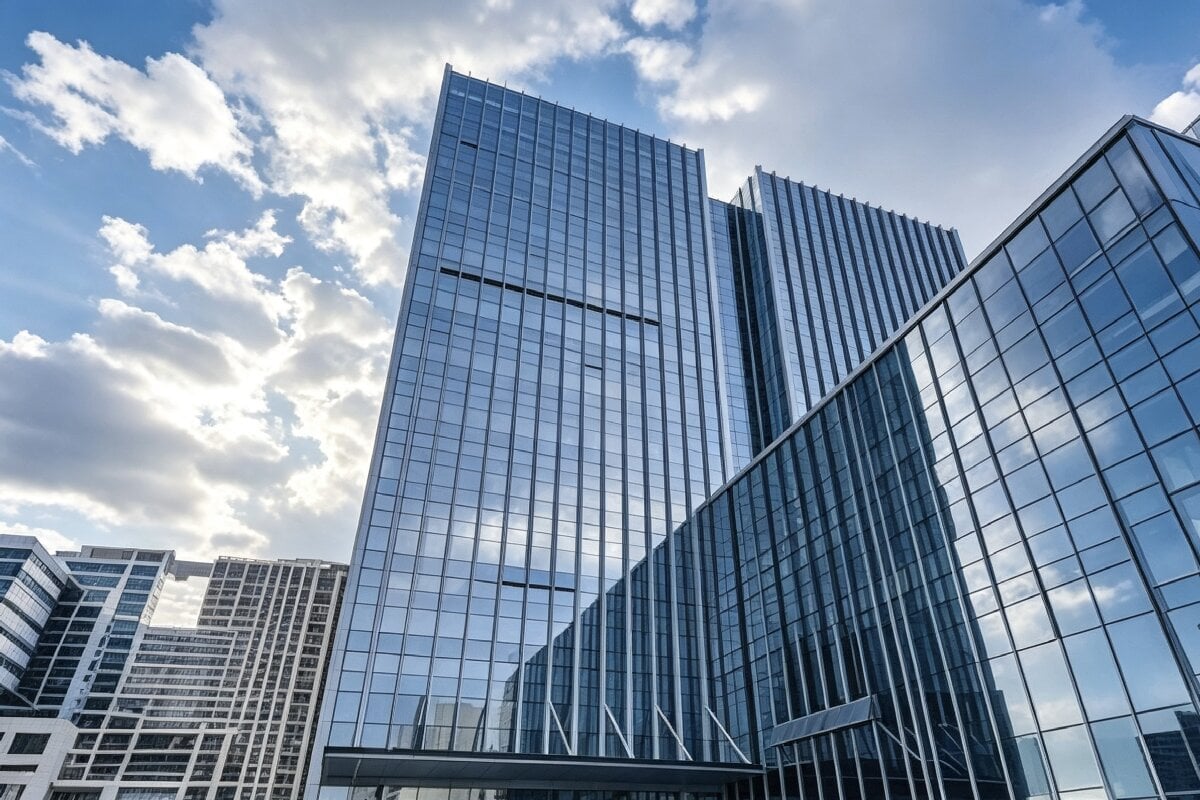
Aluminum’s malleability enables it to be extruded into custom profiles, including curved panels, angled corners, and recessed joints. Specialized transition pieces are available to connect the facade to windows, doors, roofs, and balconies, eliminating the gaps that are common failure points in traditional construction. Glass curtain walls, in particular, benefit from aluminum framing, which creates a fully integrated waterproof system that combines structural support with watertight seals around every panel.
4. Low Maintenance and Long Service Life
Traditional waterproofing solutions require frequent upkeep, such as re-caulking, repainting, or replacing damaged tiles, which can be costly and disruptive. Aluminum facade systems, however, are designed for minimal maintenance. The durable surface coatings resist fading, chipping, and staining, so the facade maintains its appearance and waterproof performance with only occasional cleaning.
Seals and gaskets are made from weather-resistant materials that have a service life of 15 to 20 years, far longer than the acrylic sealants used in many traditional systems. When maintenance is required, the modular design allows individual panels or seals to be replaced without dismantling the entire facade, reducing repair time and costs. For high-rise or commercial buildings, this low-maintenance feature is a significant advantage, minimizing operational disruptions.
5. Integrated Waterproofing and Energy Efficiency
Aluminum facade waterproofing systems do more than just keep water out—they also improve a building’s energy efficiency. The airtight seals prevent drafts and air leakage, reducing the load on heating and cooling systems. Many aluminum facade systems include thermal breaks, which separate the interior and exterior metal components to reduce heat transfer. Combined with insulated glass panels, these systems can significantly lower a building’s energy consumption, contributing to LEED certification and long-term cost savings.
In summary, aluminum facade waterproofing systems offer unmatched reliability, durability, and versatility for modern buildings. Their multi-layered design, natural corrosion resistance, adaptability to complex designs, low maintenance requirements, and energy efficiency make them a superior choice over traditional waterproofing methods. By investing in an aluminum facade system, building owners can protect their structure from water damage for decades, ensuring a safe, comfortable, and cost-effective environment for occupants.
 Hot News
2026-05-06
2026-05-05
2026-05-04
2026-05-03
2026-05-02
2026-05-01

 EN
EN