
 EN
EN


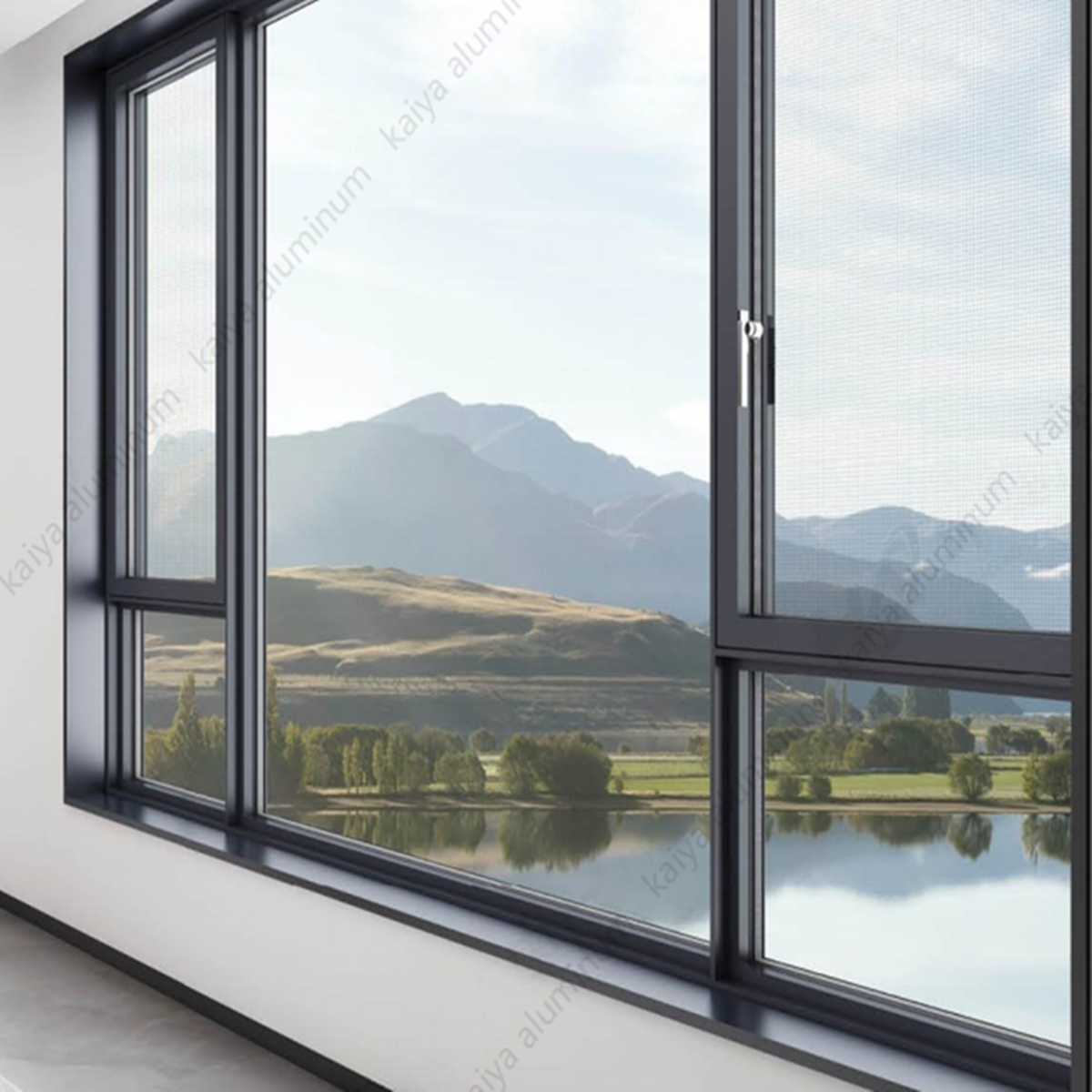
When building owners evaluate upgrades, aluminum glass windows rarely get the recognition they deserve for their energy performance. Most people associate energy efficiency with thick walls or heavy insulation, yet aluminum glass windows play a surprisingly powerful role in reducing a building's overall energy consumption. The savings embedded in the right window system go far beyond simple draft prevention, and understanding them can meaningfully change how you plan your next construction or renovation project.
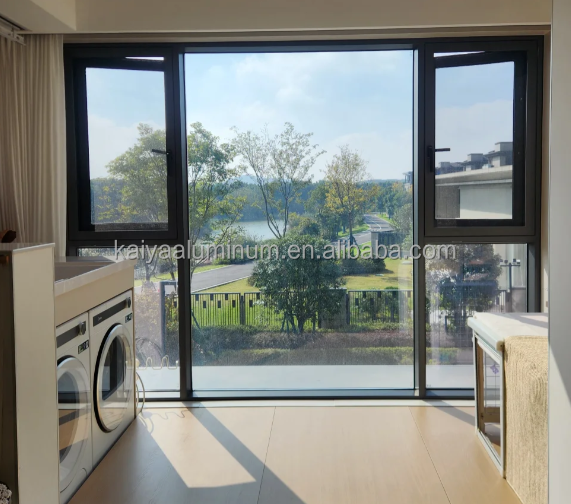
The energy story behind aluminum glass windows is layered. From the glass composition and frame engineering to the way air gaps and coatings interact with sunlight, every design element contributes to thermal outcomes that directly affect monthly energy bills. This article unpacks those hidden contributions so decision-makers can make informed choices about aluminum glass windows for commercial and residential applications alike.
Thermal Performance Built Into the Frame
How Frame Design Affects Heat Transfer
A common misconception is that aluminum glass windows are poor insulators simply because aluminum conducts heat. Modern aluminum glass windows address this through thermal break technology, which places a non-conductive material inside the frame profile. This thermal barrier interrupts the path that heat would otherwise travel directly through the metal. The result is that aluminum glass windows with a proper thermal break perform significantly better than older single-profile designs, bringing their insulation values much closer to competing frame materials.
When aluminum glass windows incorporate a polyamide thermal break, the frame itself becomes a more effective insulating component. This design allows aluminum glass windows to meet or exceed energy code requirements in many climates. For commercial buildings with large facade areas, choosing aluminum glass windows with this feature can translate into measurable reductions in heating and cooling load across the entire structure.
The Role of Multi-Chamber Profiles
Beyond thermal breaks, aluminum glass windows benefit from multi-chamber extrusion profiles that trap still air within the frame. Still air is a natural insulator, and aluminum glass windows engineered with multiple internal chambers use this principle to slow heat movement at the frame boundary. This design detail is often invisible once installed, yet it contributes consistently to the energy performance of aluminum glass windows in both hot and cold seasons. Selecting aluminum glass windows with optimized chamber geometry is one of the most cost-effective ways to improve a building's thermal envelope without changing the overall aesthetic.
Glass Specification and Solar Control
Low-E Coatings and Their Impact
The glass unit within aluminum glass windows carries much of the thermal workload. Low-emissivity coatings applied to glass surfaces reflect infrared radiation while still allowing visible light to pass through. In aluminum glass windows fitted with low-E glass, this means that heat generated inside a building during winter stays inside, while solar heat during summer is partially deflected before it enters. The directional control that low-E coatings provide makes aluminum glass windows highly adaptable to different climate conditions simply by adjusting the coating specification.
Double-glazed and triple-glazed configurations further enhance the insulating capacity of aluminum glass windows. The gas-filled cavity between panes in aluminum glass windows reduces conductive and convective heat transfer. Argon or krypton fill is commonly used in high-performance aluminum glass windows to improve the center-of-glass U-value. Over a full year of operation, aluminum glass windows with optimized glazing can noticeably reduce the demand placed on mechanical heating and cooling systems, which is where the hidden savings accumulate most reliably.
Solar Heat Gain and Orientation Strategy
Aluminum glass windows also allow designers to leverage passive solar principles. By selecting glazing with a higher solar heat gain coefficient on south-facing aluminum glass windows and a lower coefficient on west-facing units, buildings can capture winter solar warmth while limiting uncomfortable afternoon heat. This orientation-based specification of aluminum glass windows is a low-cost strategy with long-term energy benefits. The flexibility of aluminum glass windows to accept different glass types within the same frame system makes this kind of targeted optimization straightforward for both new builds and retrofits.
Air Tightness and Long-Term Durability
Sealing Performance Over Time
Energy savings from aluminum glass windows depend not only on the materials used but also on how well the system maintains its sealing performance over years of use. Aluminum glass windows are known for their dimensional stability, meaning the frame does not expand, contract, or warp as significantly as some other materials under temperature cycling. This stability helps aluminum glass windows retain tight tolerances around seals and gaskets, which is essential for maintaining the air infiltration performance that contributes to energy savings. A window that seals well on installation day but loosens over time delivers declining returns, whereas aluminum glass windows hold their form reliably.
Properly installed aluminum glass windows with high-quality perimeter sealing reduce the uncontrolled air exchange that forces HVAC systems to work harder. Even small gaps around window frames can introduce significant volumes of unconditioned air. Aluminum glass windows that maintain consistent compression on weatherstripping minimize this effect year after year. In commercial buildings where aluminum glass windows cover large facade areas, the cumulative air tightness performance becomes a major driver of overall energy efficiency.
Corrosion Resistance and Maintenance Savings
Aluminum glass windows resist corrosion in ways that indirectly protect their energy performance. When frames corrode or degrade, gaps form that compromise thermal and air sealing. Aluminum glass windows with anodized or powder-coated finishes maintain their surface integrity for decades, preventing the kind of frame deterioration that leads to energy performance decay. This durability means that the energy investment made when installing aluminum glass windows continues to pay returns far longer than systems requiring frequent repair or replacement. The lifecycle energy cost of aluminum glass windows is therefore more favorable than their upfront specification might initially suggest.
FAQ
Are aluminum glass windows suitable for cold climates?
Yes, aluminum glass windows with thermal break profiles and double or triple glazing are well suited to cold climates. The thermal break prevents the frame from conducting exterior cold into the interior, and the insulated glass unit reduces heat loss through the pane. Specifying aluminum glass windows with low-E coatings and gas-filled cavities further improves their cold-climate performance significantly.
How do aluminum glass windows compare to other window types for energy efficiency?
Modern aluminum glass windows with thermal breaks and high-performance glazing are competitive with most alternative frame materials. The advantage of aluminum glass windows lies in their structural strength, which allows slimmer frames and larger glass areas, maximizing both daylight and solar gain potential. When the full glazing system is optimized, aluminum glass windows deliver energy performance comparable to or better than many heavier frame alternatives.
How long does it take to see energy savings from aluminum glass windows?
The timeline depends on building size, climate, and the baseline performance of existing windows being replaced. In most cases, buildings that upgrade to high-performance aluminum glass windows see measurable reductions in heating and cooling energy use within the first full annual cycle. Commercial projects with large installations of aluminum glass windows often report payback periods driven by both energy savings and reduced maintenance costs over five to ten years.